Our world depends on the light of a huge star called the Sun. If you don't like waking up and falling asleep in the dark, rejoice — the winter solstice will occur on December 21!
The winter solstice is an astronomical phenomenon; it occurs when the tilt of the Earth's rotational axis away from the Sun reaches its maximum value.
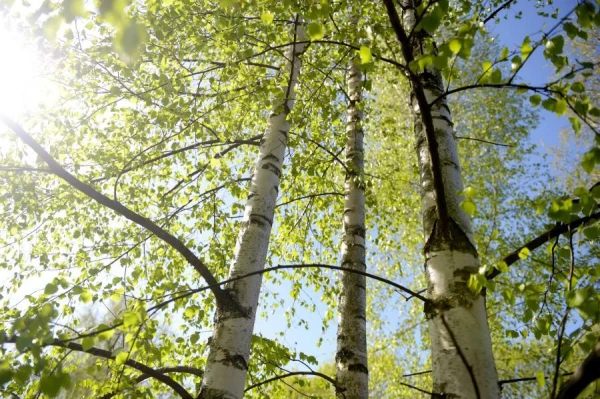
And although astronomical winter has just begun, the days will gradually start to lengthen, and the sun will delight us with its timid winter rays for longer.
- There are two winter solstices every year
Each hemisphere experiences its own winter solstice. As the planet's orbit is tilted on its axis, the Earth's hemispheres receive direct sunlight alternately. In the Northern Hemisphere, the winter solstice occurs on December 21–22, while in the Southern Hemisphere, it occurs on June 20–21 (which is referred to as summer solstice here).
- The winter solstice occurs in an instant
Although the calendar allocates an entire day for the event, in reality, the Sun stands over the Tropic of Capricorn for a very brief period of time.
- The winter solstice occurs on different days in different countries
But not always. It all depends on the time difference between countries.
- It’s the first day of winter… or not — it depends on whom you ask
There are two ways to view this question — meteorological seasons and astronomical seasons. Meteorological seasons are based on the annual temperature cycle, while astronomical seasons are based on the Earth's position relative to the Sun. For an astronomer, winter begins today.
- The winter solstice is a time of long shadows
Right now, the Sun is at its lowest position in the sky, and the shadows cast by its rays are the longest.
- The winter solstice is connected to Christmas
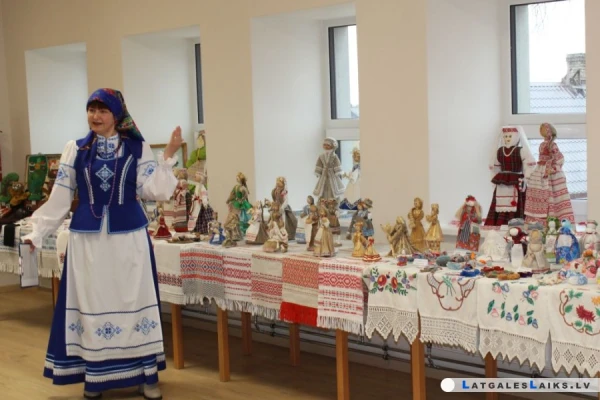
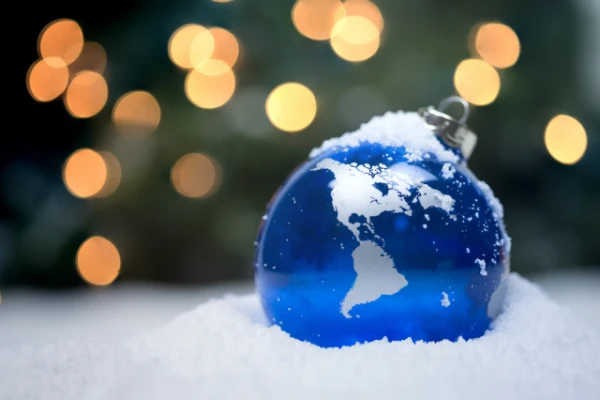
People have celebrated the winter solstice throughout history. The Romans celebrated the festival of Saturnalia, Germanic and Scandinavian pagans celebrated Yule, and Slavs celebrated Kolyada. Even Stonehenge is associated with the solstice. To attract pagans to their faith, Christians added religious significance to their traditional celebrations. Many Christmas customs, such as the Christmas tree, are directly related to the celebration of the solstice.
- The winter solstice is a reminder of how grateful we are to Copernicus
The English word "solstice" comes from the Latin solstitium, which means "the point when the Sun stands still." Before the Renaissance astronomer Nicolaus Copernicus, who first proposed the heliocentric model of the universe, people believed that the Earth was stationary and that the Sun revolved around it. The use of the word "solstice" is a beautiful reminder of how our understanding of the world has advanced thanks to medieval thinkers who challenged the unquestionable status quo.