
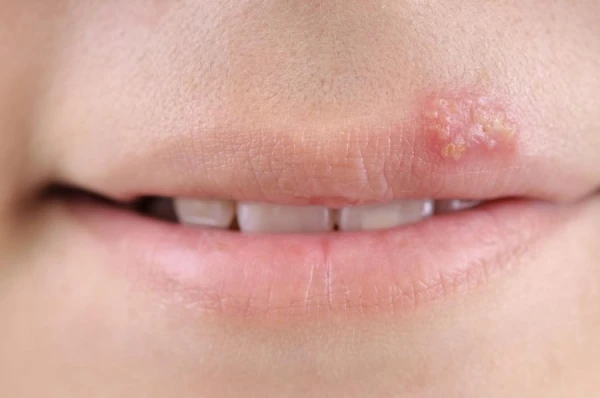
Herpes infection is one of the most common. It often manifests during exacerbation periods. Cold sores can cause quite a few unpleasant moments. However, an even more serious problem is its tendency for frequent recurrences and non-healing. Olga Matyukhina, an infectious disease doctor at the clinical diagnostic center, discussed the risks associated with herpes that does not go away.
Herpes is a disease commonly known as 'cold sores,' caused by the herpes simplex virus. The prolonged course of the disease and frequent recurrences are most often associated with the reactivation of the body in response to bacterial exposure, improper treatment, and, strangely enough, chronic stress.
The constant presence of the herpes simplex virus in the body leads to frequent recurrences and negatively affects both general and local immunity. For example, during recurrences of herpes on the lips, nose, or around the eyes, ulcers may form, causing painful sensations and increasing the risk of infection in other areas of the body.
When discussing the possible complications that the herpes simplex virus can cause in the absence of treatment, the generalized form of herpes infection should be highlighted first, which can be observed in people with weakened immune systems, as well as in newborns. Serious complications of this disease include herpes encephalitis and herpes infection of the eyes.
When treating the disease, it is important to take precautions to avoid spreading the viral infection to other areas of the body. It is recommended to avoid: touching herpes lesions with hands or eyes; bursting blisters or applying ointment to them; applying pressure to the rash elements.
During the treatment period, visits to baths, saunas, and swimming pools should be avoided. It is also not recommended to use decorative cosmetics, as this can lead to infection and a rapid recurrence of herpes infection.















Leave a comment