
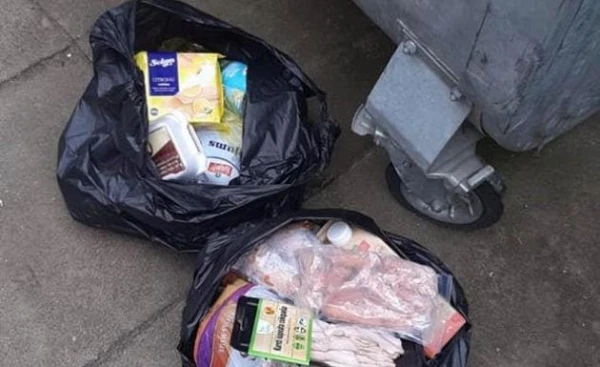
No one likes to take out the trash, and therefore it often accumulates in apartments. The unpleasant odor is just one of the consequences. Trash can lead to serious illnesses. This was stated by epidemiology expert Dr. Darya Tikhonova.
The processes of decay and decomposition are most actively developed in organic household (food) waste. In addition to the unpleasant odor that arises from rotting, they create favorable conditions for the proliferation of mold fungi. These fungi release mycotoxins that negatively impact health. As a result, an infectious disease called aspergillosis may develop, which is a fungal infection affecting the lungs.
Moreover, food waste attracts insects such as cockroaches and flies.
As is known, there are virtually no barriers for cockroaches in homes. They move freely through sewage pipes, garbage chutes, basements, and attics, “picking up” pathogenic microorganisms (causative agents of salmonellosis, dysentery, pinworm and tapeworm eggs) and spreading them throughout living spaces.
The Refrigerator — A High-Risk Zone
It is extremely undesirable to store expired products in the refrigerator. This creates a high risk of microbiological and parasitic contamination of nearby food products. As a result, foodborne toxicoinfection (FTI) may develop — a group of acute intestinal infections (AII) that occur after consuming food that has come into contact with pathogenic and conditionally pathogenic microorganisms.
Regularly check products in the refrigerator for mold and, if found, dispose of them immediately. It is also advisable to periodically clean the refrigerator.
Don’t Forget About the Pantry
After renovations, be sure to remove paint materials from the apartment. They evaporate, releasing organic solvents, thinners, and pigments containing lead into the environment. Inhaling such substances can cause nausea, vomiting, and headaches.
Additionally, do not accumulate used batteries. Beneath the protective casing of these power cells lies a multitude of chemicals. They cannot be thrown away with regular trash. When broken down by environmental factors, they release toxic elements — lead, mercury, nickel, cadmium, manganese, and others, which pose serious health risks. Currently, many public places are installing special containers for battery disposal.













Leave a comment