When you take out the freezer container, your fingers may stick to the ice. This may seem strange, as the body heat should melt the ice. So what happens?
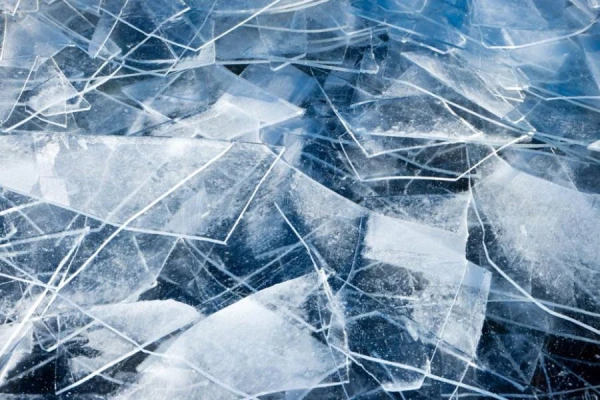
Ice can stick to skin, but this does not happen all the time. The likelihood of sticking depends on two key factors: the moisture of the skin (the part that comes into contact with the ice) and the temperature of the ice itself.
The higher the moisture, the greater the chances that you will stick. A vivid example is your tongue. As for the temperature of the ice, it is important to remember that while water freezes at 0°C, the temperature of ice from the freezer can be significantly lower. When you take ice cubes out and hold them in the air (at room temperature) for a while, they start to melt, which raises their temperature. The main conclusion is that the colder the ice, the more it sticks to your hand or any other exposed part of your body.
Now that we have clarified the two main factors, let’s look at how this happens.
In liquid form, water molecules can break bonds with other molecules and instantly form new ones, allowing water to flow easily. However, in ice, the molecules are frozen in place due to the low temperature. The structure of ice causes some molecules (composed of hydrogen and oxygen atoms) to align along the surface.
Oxygen atoms still strive to form hydrogen bonds with hydrogen atoms, but cannot do so as they are on the surface. And this is where the moisture droplets on the tips of your fingers come to the rescue! The oxygen and hydrogen atoms bond with the hydrogen and oxygen atoms on your skin, leading to the formation of many hydrogen bonds.
This is the reason why your hand sticks to the ice. The colder the ice, the stronger the adhesion between them. However, this can be easily remedied by pouring a little warm water on the contact area.