Iron vitriol is traditionally used in autumn to treat trees and shrubs. It is used to eliminate moss, lichens, fungal diseases, and pests, as well as to disinfect wounds and trunks. However, there are fierce and irreconcilable debates about how safe this is. Together with agronomist Alexey Gornov, we explore how reasonable this procedure is.
Pros and Cons of Using Iron Vitriol
Despite the widespread use of iron vitriol for treating gardens, this method cannot be considered natural and safe. Iron vitriol is an aggressive chemical substance that can cause burns, acidification, and disruption of the natural balance when it comes into contact with plants and soil. After treatment, the soil microflora suffers, and beneficial microorganisms responsible for organic decomposition and plant nutrition die. Regular use of vitriol over time leads to a decrease in fertility and a deterioration in the overall condition of the garden.
In the context of modern requirements for the environmental friendliness and safety of products, this approach has become outdated. Today, it is important not only to protect plants but also to preserve the natural processes that ensure the health and sustainability of the ecosystem on the site. Therefore, we do not recommend using iron vitriol in gardens and vegetable plots, especially in areas where fruit crops are grown for personal consumption.
Alternatives to Garden Treatment
Instead of aggressive chemical agents, it is advisable to choose gentle, eco-friendly, and biological preparations. They work just as well but do not disrupt the natural balance. For example, biofungicides based on Trichoderma and phytosporin suppress fungal infections, restore microflora, and strengthen plant immunity. Organic preparations with extracts from conifers, seaweed, and humic acids, which have antiseptic and general strengthening effects, also work well. Another option for natural fertilizers is mineral chelate complexes that allow for the replenishment of iron and other elements without the risk of burns and soil acidification.
However, mechanical cleaning of the trunks and branches from moss and lichens is the safest and most effective care method, which can be supplemented with treatments using natural solutions if desired.
Safety Rules for Garden Treatment
But if you still decide to treat the garden with iron vitriol, it is important to strictly follow safety precautions to minimize harm to plants and soil, as well as to adhere closely to the steps.
Be Careful
It is necessary to work in gloves, protective goggles, and a respirator. Do not spray near children, animals, or bodies of water. After completing the work, thoroughly wash tools and hands with soap.
Observe Treatment Timing
Spraying should be done in late autumn, after all the leaves have fallen, when the trees have entered a state of dormancy. The air temperature should be between +3 and +10°C, and the weather should be windless and dry.
Prepare the Solution
A 3-5% solution of iron vitriol is suitable for fruit trees — use about 300-500 g of powder per 10 liters of water. For treating soil, buildings, and fences — a 5-7% solution at a ratio of 500-700 g per 10 liters of water.
The substance should be dissolved in a plastic or glass container while stirring thoroughly. Metal buckets are not suitable — vitriol reacts with them.
Prepare the Plant
Before spraying, clean the trunks of trees from moss, lichens, and dead bark. Remove fallen leaves and debris from the root circles. Do not treat young trees (up to 3 years old) — their bark is too tender.
Conduct Spraying
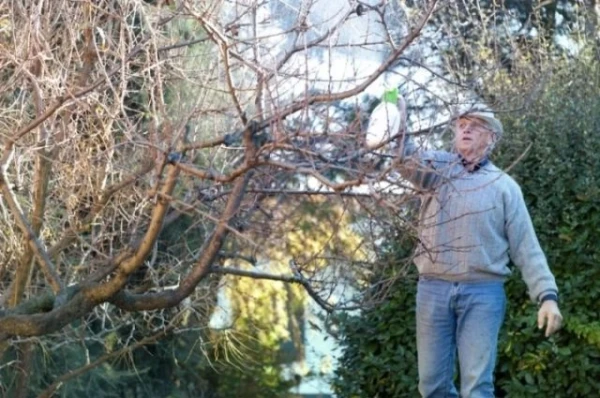
Evenly treat the trunks and large branches of trees, the soil around the root circles, as well as garden structures, fences, and greenhouse walls. Ensure that the solution does not run down the bark and accumulate in the soil.
Correctly Treat the Soil
Water the root circles with the remaining solution (1-2 liters under each tree). This will help eliminate fungal spores and overwintering pests.
Allow Trees to Dry
After treatment, the plants should dry completely; do not cover them immediately after spraying.
Autumn treatment of the garden should aim not only at disease prevention but also at maintaining the health of the ecosystem. Iron vitriol is not a natural remedy. Modern natural and biological preparations provide the same results but without negative consequences for plants, soil, and future yields.