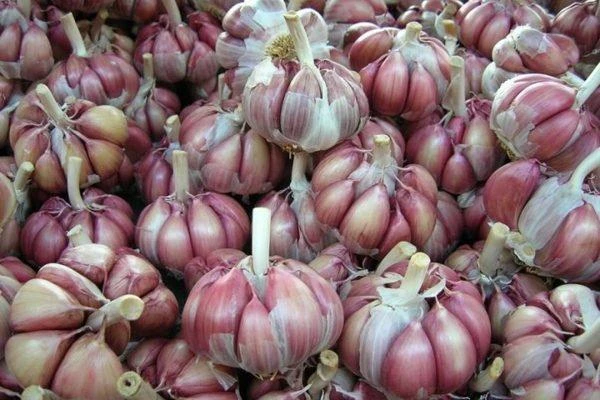
It was previously believed that winter garlic should be planted on October 14, on the feast of the Protection of the Holy Virgin. This day was said: "Before noon – autumn, after noon – winter." But now the climate has changed significantly. Many gardeners wait to plant until the end of October, or even until mid-November.
In fact, you should not focus on exact dates, but rather on the weather. Garlic should be planted about 3 weeks before the onset of frost. Frost should be considered not as a few days of snow, but as a stable drop in temperatures: below zero at night, around +5 during the day.
A Place in the Sun
Garlic prefers sunny, well-ventilated areas. The soil should be neutral or slightly alkaline. You can add well-rotted manure, peat, or biohumus.
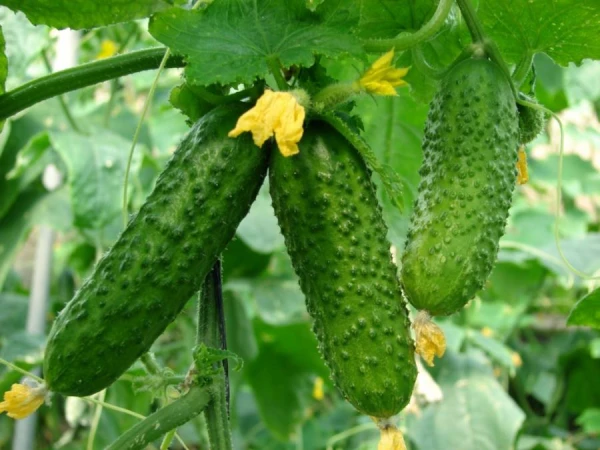
It is important to consider which crops previously grew in this area. The best predecessors for garlic are legumes (peas, beans, peanuts, lentils, soybeans); cereals (oats, wheat, barley, corn, rye); melons (pumpkins, watermelons, melons, pattypans, zucchinis); and all types of cabbage.
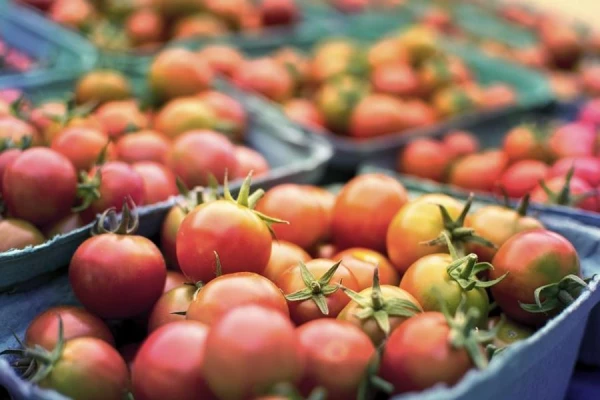
There are several crops that are considered undesirable predecessors for garlic, as they have similar diseases (for example, fusarium). These include onions and other bulbous plants, as well as nightshades (potatoes, tomatoes, eggplants).
Main Rules
Remember the rules of crop rotation, maintaining a 3–4 year interval before replanting in the same area. The beds for garlic should be prepared in advance. Ideally, this should be done a month before planting. If time is short, at least 10 days before the expected date. After you have dug the soil, the surface should be leveled and slightly compacted, as garlic will not grow in loose soil.
The garlic cloves can be placed in a weak solution of potassium permanganate before planting, but many skip this step. The main thing is that the cloves are large, healthy, and without visible damage. And, of course, you should plant winter varieties that can withstand frosts down to –35°C.
The optimal planting scheme is 20–25 centimeters between rows and 8–10 centimeters between cloves. This will provide enough space for nutrition and simplify care for the plants in spring. The cloves are placed with the base down; to calculate the planting depth, it is recommended to multiply the height of the clove by 3. For example, if this height is 2 centimeters, then the planting depth should be 6 centimeters.
Protection from the Cold
As soon as serious frosts begin, the bed should be covered. Suitable materials include dry leaves, fir branches, straw, peat, or compost. The layer should be about 5–7 centimeters thick. Such a "blanket" will protect the cloves from freezing and moisture loss. In regions with harsh winters, the bed can additionally be covered with spunbond or agrotextile, secured at the edges with stones.
In spring, as soon as the snow melts, the cover will need to be removed to allow the soil to warm up and prevent the sprouts from rotting.