Despite good acclimatization to Latvian conditions, many crops in our plots are natives of southern regions, so they will not be able to winter normally without covering.
We have compiled a list of the most popular plants in our gardens that will definitely need protection from frost and temperature fluctuations.
Covering plantings for the winter begins in mid-October and continues until the end of November. The main thing is not to confuse which garden crops definitely cannot do without "shelter".
Fruit Trees
Some may find this surprising — usually, no one insulates apple trees, pear trees, plum trees, and other fruit trees for the winter, as they tolerate frosts quite well.
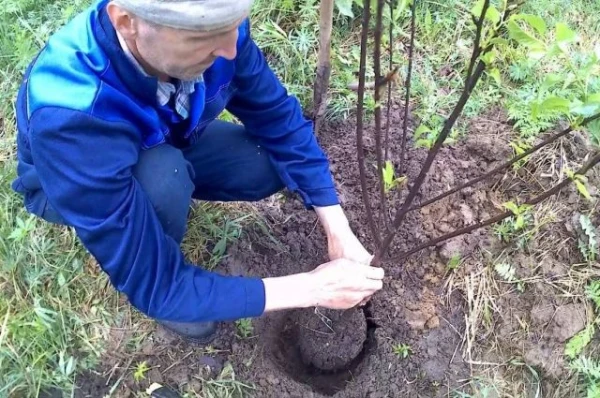
However, young saplings can still suffer from wind, cold, and sunburns that damage their branches and bark. This is especially true for seedlings aged one to three years — the damage incurred will hinder their normal growth and development.
Therefore, take care of them in the fall by wrapping them in light non-woven material and securely fastening it to the trunks — from the ground to the fork of the skeletal branches. By the way, one-year-old saplings are best covered entirely. Also, insulate the roots by mulching the root circles with peat or compost mixed with sawdust.
By the way, columnar apple trees need to be covered for the winter at any age — they do not tolerate frosts well.
Roses
Despite all the efforts of breeders, very few varieties of roses have been developed that can winter well without coverings — all others cannot do without it.
Many gardeners consider coniferous branches to be the best material for insulating these garden "divas," but it is not always easy to find, and cutting live trees must be done very carefully to avoid fines.
Air-dry covering is excellent for roses — when the covering material is stretched over a frame. If you are preparing climbing roses for wintering, do not forget to place boards or plywood under the bent shoots so that they do not freeze.
Clematis
This is one of the most beloved garden vines among gardeners — it is so decorative that it can rival even roses in popularity.
However, clematis, just like the "queen of flowers," cannot withstand winter cold without reliable protection. However, not just any covering will do — it needs to be chosen depending on the type of plant.
Clematis that bloom on last year's shoots (Group I): at the end of the season, they are pruned slightly, after which they are provided with the same air-dry covering as climbing roses.
Clematis that bloom twice — on last year's and this year's shoots (Group II): in early autumn, they are cut back by about half. They require the same covering as the first group.
Clematis that bloom once on this year's shoots (Group III): when preparing for winter, the vines are pruned short, hilled up, and covered with dense agrotextile or a wooden box.
Rhododendrons (Azaleas)
In general, these ornamental plants have good winter hardiness, but many varieties can still perish without covering if strong frosts hit. Therefore, it is worth taking care of their protection in advance.
As a rule, deciduous rhododendrons do not need to be wrapped — it is enough to cover their root collars with loose mulch. However, evergreen varieties must be covered, not so much from frosts as from sunlight and strong winds.
You should start constructing a shelter for rhododendrons when stable cold weather sets in (around ten degrees below zero). Set up a frame over the plant and stretch a dense but breathable agro-material over it — such a "house" will prevent snow from breaking the branches of the shrub.
It is important to remember that any types of rhododendrons under four years old need to be covered for the winter.
Tree Peonies
Mature peonies winter well without protection — if you tie the branches of the plants together in the fall and mulch the root circle, these measures will be quite sufficient.
However, young seedlings and capricious hybrids will still need to be covered, but only after the cold arrives (around early November). For this, you will need to tie the branches of the plants and cover them with a frame topped with light agro-textile.
However, the frame can easily be replaced with a wooden box or an old bucket.