
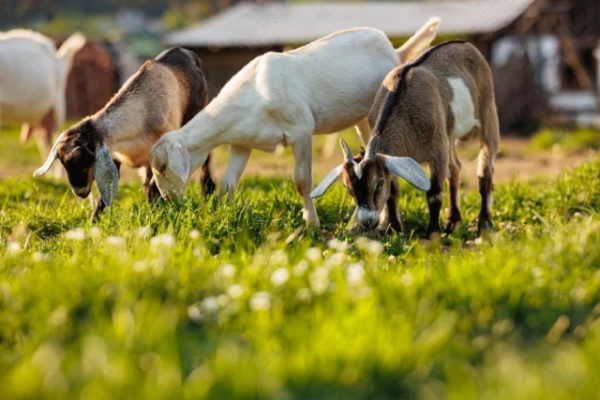
By the end of the century, rising temperatures could cause severe heat stress in cows, chickens, goats, and other livestock, jeopardizing their survival.
Scientists have developed a method for predicting the response of various species to increased heat, and the results look alarming — especially with a rise in global temperatures of 2 °C and above.
The study showed that small ruminants — sheep and goats — in the Northern Hemisphere will suffer more than their southern counterparts. By 2100, the breathing rate in northern populations of these animals could increase by 68%, negatively affecting energy levels and productivity. Among tropical species, cows were found to be particularly vulnerable, while birds such as chickens and quails were recognized as some of the most sensitive to heat.
The research utilized data from Brazil, Spain, and Italy, as well as climate models from the UN. Scientists emphasize the need for breeding heat-resistant breeds and improving housing conditions to ensure future food security.
With the growing population and climate change, the challenge of sustainable livestock farming is becoming critically important for ecology and ensuring human nutrition.













Leave a comment