
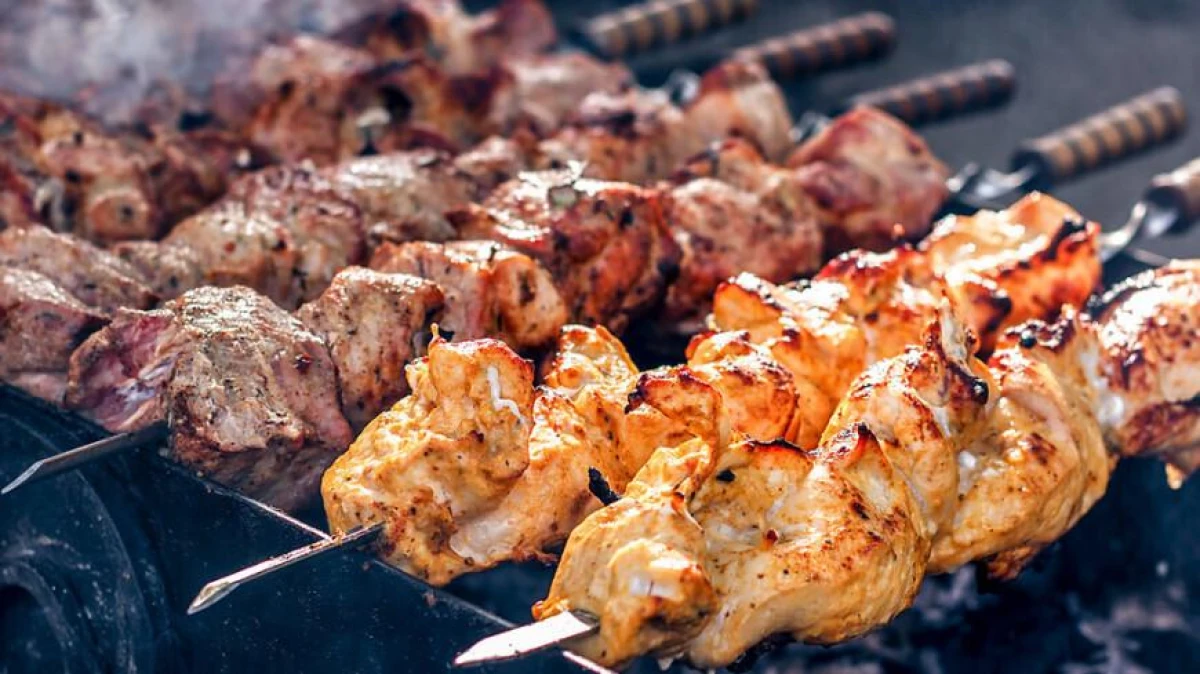
Chef Maxim Tarusin shares secrets for making delicious shashlik.
Shashlik and Barbecue
There are not many differences between barbecue and shashlik. Barbecue is an American tradition where families gather outdoors and grill large pieces of meat, usually beef, steaks, or sausages. Shashlik, on the other hand, can be made even on a balcony, using small pieces of meat that are easy to skewer, most often pork or chicken. I grill shashlik both at my dacha and in restaurants — usually it’s rack of lamb or rolled shashlik, where the fillet is beaten, smeared with fat tail, cut into medallions, and skewered. It’s incredibly delicious! I also enjoy Tashkent-style shashlik, which is sprinkled with flour before serving, creating a crispy crust, or spicy lamb shashlik marinated in black Indian tea.
Size Matters
The pieces of meat for shashlik should not be too small — the optimal size is 5–6 cm. Each nation has its own traditions for cutting meat. For example, Uzbeks cut meat and fat tail into cubes of 2 cm, while in Argentina, they skewer large pieces of meat weighing 150–200 g on small skewers. Depending on the size of the pieces of meat on the skewer, they can be interspersed with fat, tail fat, onions, or mushrooms.
Chicken or Fish?
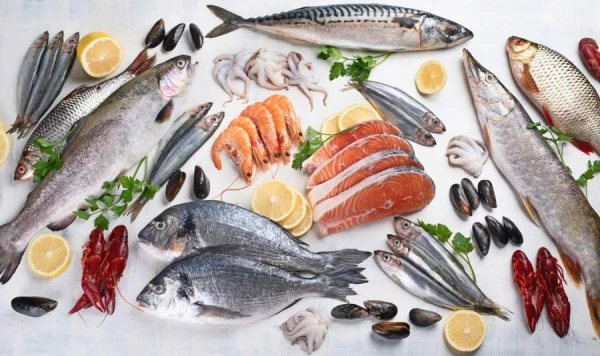
Almost any meat can be used for shashlik: beef (shoulder, neck, hindquarter), pork (neck, shoulder, hind part), lamb (hind leg, loin, shoulder). Many are afraid to use chicken breast, as it can turn out dry, but it can be wrapped in bacon or fat net (tail fat net) or add lamb fat. Juicy shashlik can be made from injected store-bought chicken, while village chicken is better not to use — it’s dry. For fish shashlik, sturgeon, tuna, and trout are suitable. Small fish are better cooked whole on the grill, wrapped in foil with a piece of butter, a slice of lemon or tomato, and something for flavor, such as grapes or dried apricots.
Marinating Meat
Meat can be marinated in various liquids, even kvass. Americans, for example, use cola — it tenderizes the meat and adds flavor. If you decide to marinate in carbonated drinks, choose sugar-free options, as sugar can cause the shashlik to burn. Any acidic mediums are also suitable for marinade — kefir, matsoni, sour cream, and mayonnaise, but I prefer to leave the meat for 2 hours, no more. Mustard, horseradish, soy sauce can be used for marinating meat, and for barbecue, spicy sauces — chili sauce, hoisin, oyster sauce — are suitable.
Common Mistakes When Grilling Meat
The main mistake made when grilling meat is the fear of undercooking it, which causes the meat to be placed too close to the fire. Or, conversely, the skewers are too far from the coals, and the meat starts to boil. The ideal distance is 10–12 cm, then the pieces will immediately “seal,” and the shashlik will turn out juicy. It’s better to use birch coals, as they burn better than aspen or pine. Many prefer to grill on charcoal — it burns better, retains heat longer, and produces less smoke. For aroma, you can add cherry wood chips, oak leaves, bay leaves, or fragrant black peppercorns to the coals.
Shashlik Sauce
It’s best to make a sauce based on what you marinated the meat in, adding a few other ingredients. If you marinated the meat in mayonnaise, make a sauce from mayonnaise, soy sauce, ginger, and sesame oil. If you used matsoni, add garlic, cilantro, and tomatoes to it. And if the shashlik is already ready but you want to add some spiciness, brush it with ginger marinade and let it soak.
Preparing Lyulya-Kebab
This is quite difficult! The approximate ratio is 500 g of meat (lamb, young lamb, or beef), 500 g of tail fat or beef fat, and 300 g of onions (the more onions, the juicier the kebab). If you pass the meat through a meat grinder, use the largest grate — the eighth, and the tail fat — through the smallest. The meat needs to be whipped, spices added — I prefer coriander and cumin, and you can add greens. The onion should be chopped into small cubes, mixed into the minced meat, and left in the refrigerator for 3 hours to settle. Then the minced meat should be shaped into small patties and skewered on flat and wide skewers. Grill at a distance of 10 cm from the fire, turning frequently.












Leave a comment