In the U.S., production of a new dessert has begun—chocolate-covered pickles, which are offered with coffee. This combination may seem strange, but once we could not imagine that salted caramel or chocolate with chili would become popular. Today, such experiments do not surprise anyone. What do dietitians think about the compatibility of products?
Separate Nutrition: Myth or Reality?
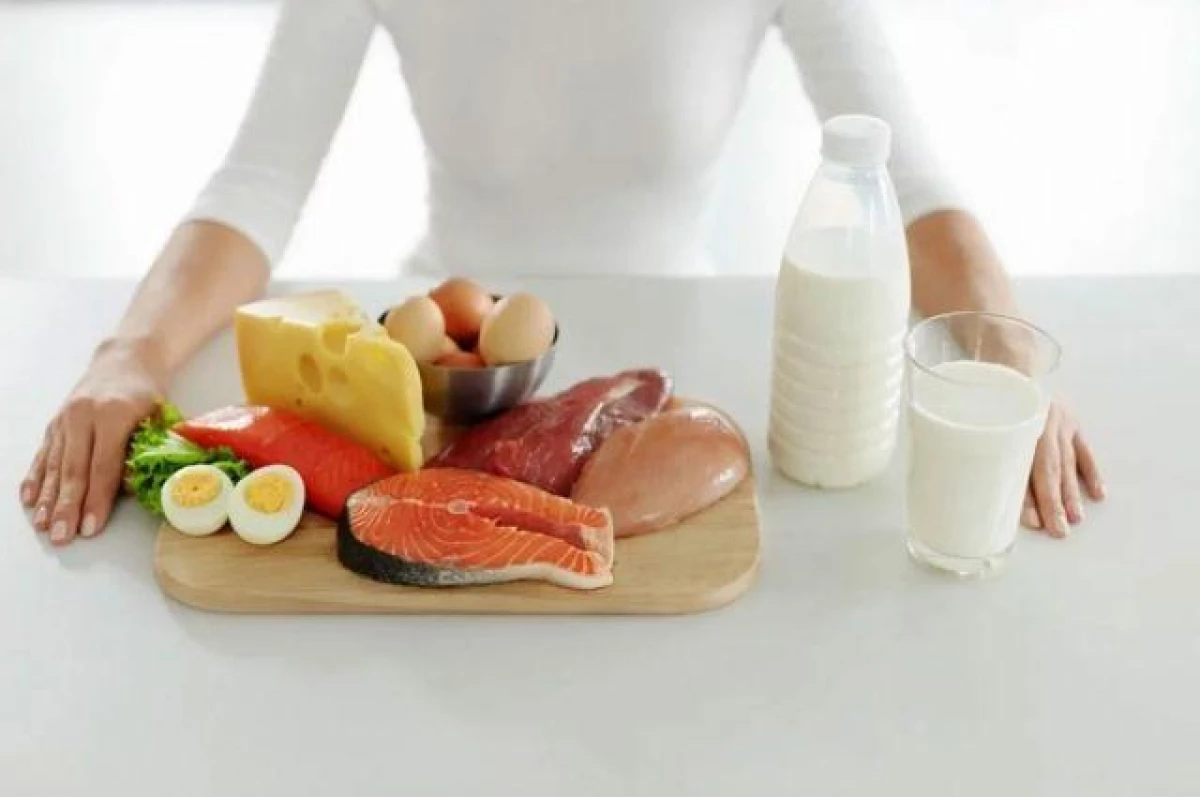
“From a dietary perspective, the question of incompatible products has no scientific basis,” said Natalia Denisova, a candidate of medical sciences, dietitian, and senior researcher at the Federal Research Center for Nutrition and Biotechnology, to aif.ru. “In fact, there are no theoretically incompatible products. It all depends on our habits, tastes, and cultural traditions. Different cuisines around the world feature completely different combinations. For example, while for a Russian person fish and milk may not be an ideal pair, for Scandinavians they pair wonderfully. Remember their fish soup with milk or cream. Our digestive system is capable of digesting different types of food simultaneously.”
According to the doctor, Shelton's theory of separate nutrition, which claims that mixed food is poorly absorbed due to conflicting interactions of gastric juices, does not hold up to scrutiny. It asserts that this leads to unpleasant sensations in the stomach, nausea, and heartburn, and recommends separating proteins and carbohydrates, as well as avoiding the combination of acidic foods with starch.
“In fact, symptoms of intolerance are most often related to gastrointestinal diseases,” the doctor adds. “We constantly need all nutrients at the same time; metabolic processes in the body are ongoing.”
Beneficial and Less Successful Combinations
Nevertheless, for maximum absorption of nutrients, some products are better consumed separately or, conversely, in combination. For example, meat and greens are a classic example of a successful combination. “Iron from meat is better absorbed in the presence of vitamin C,” explains the dietitian. “And vitamin C is provided by greens and vegetables. Therefore, shashlik with greens is an excellent combination.”
There are also less successful pairs. For example, coffee or tea with milk. “The tannins present in coffee and tea impair the absorption of minerals, particularly calcium,” continues the dietitian. “Therefore, the combination of coffee or tea with milk is not optimal. However, this does not mean that you should give it up. If you enjoy coffee or tea with milk, there is no need to restrict yourself. There are no strict prohibitions.”
Lignans—bioactive substances and antioxidants found in plants—also slightly impair the absorption of vitamins and minerals. They are present in flaxseeds, pumpkin seeds, and some grains. But we still eat oatmeal with milk. Moreover, calcium can be obtained from other products. Therefore, any seemingly “incompatibility” is not so critical as to give up your favorite dishes.