The list of beneficial properties of this humble plant, found everywhere, is so extensive that it is hard to enumerate. The heart, liver, and intestines are just some of the organs that can benefit from an infusion of dandelion flowers, leaves, and roots.
The healing properties of dandelions have been known since ancient times. In those eras, when people had not yet thought about medications, this unpretentious plant helped to cope with many diseases. Dandelions were used to treat heart, stomach, liver, and joint ailments. In the past, herbalists prepared infusions from the yellow flowers, leaves, and roots to reduce swelling.
With the help of dandelions, people strengthened their hair, rejuvenated their skin, and got rid of age spots on their faces. Scientists studying dandelions consider them to be among the most valuable medicinal plants.
Useful Properties of Dandelions
This unpretentious field plant from the aster family can be found everywhere. Dandelions grow on lawns, in meadows, fields, and forests.
The “natural healer” helps in the most unexpected situations. For example, in the case of a bee sting — such incidents are quite common in the summer. In such situations, experts recommend using the milky sap. A small amount of this sap applied to the sting site will quickly relieve pain.
Experts from pronews.gr claim that there are at least 15 ways to use dandelions in folk medicine that promote health. These include:
anemia;
weakened immunity;
high levels of “bad” cholesterol;
diabetes;
obesity;
liver diseases;
edema;
gout, rheumatism;
kidney stones;
depression;
cellulite and much more.
Research has shown that infusions made from dandelion flowers, leaves, and roots can improve intestinal function and alleviate stomach pain in cases of ulcers and gastritis. Dandelion juice cleanses the lymph and is used as an adjunct in cancer, heart diseases, and pancreatic disorders.
The leaves and flowers of dandelions are rich in vitamins A, C, B2, E, and also contain choline, iron, calcium, magnesium, manganese, and phosphorus.
Scientists note that dandelions can be beneficial as a diuretic, sudorific, laxative, and anti-inflammatory agent. In the official medicine of many countries, dandelions are used in the form of infusions, decoctions, or dry powder. They are also included in ointments and emulsions.
Uses of Dandelions
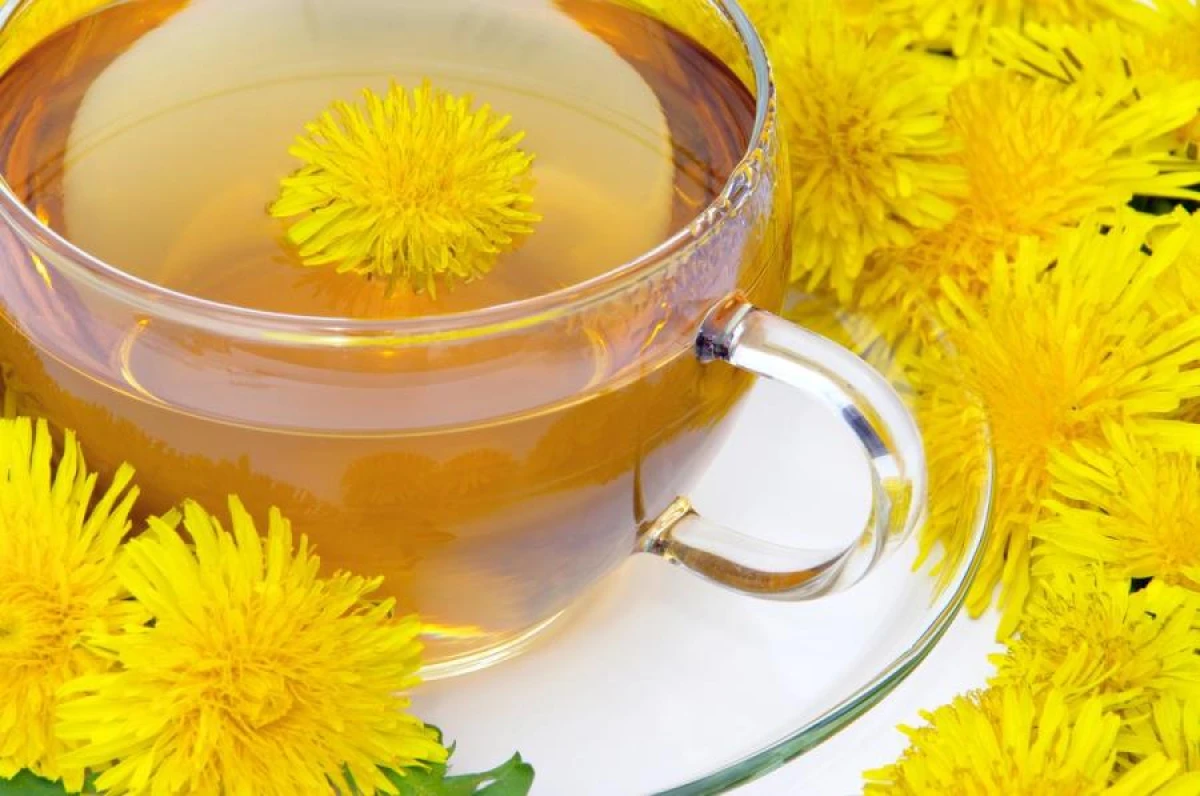
This plant, which is called the “elixir of life” in the East, is considered useful from roots to flowers — it is entirely edible. From the flowers, jam is made; from the leaves, green soup and salads. From the roots, a healing drink is prepared, which Eastern healers refer to as tea.
To remove bitterness, dandelions are soaked in salty water for 30-40 minutes before use.
Flower buds can be pickled and added to salads, vinaigrettes, as well as meat and fish dishes. Roasted roots are used to make a coffee substitute. Dandelion wine, which became famous thanks to Ray Bradbury's story, is also produced.
To prepare a healing infusion, one teaspoon of finely chopped root is required. The raw material is poured with 200 ml of water, brought to a boil, and left on low heat for 3-5 minutes. After turning off the heat, the container is covered with a towel. After half an hour, the infusion will be ready for consumption.
Contraindications for the use of dandelions include individual intolerance and a tendency to diarrhea. In some individuals, fresh stems may cause poisoning.