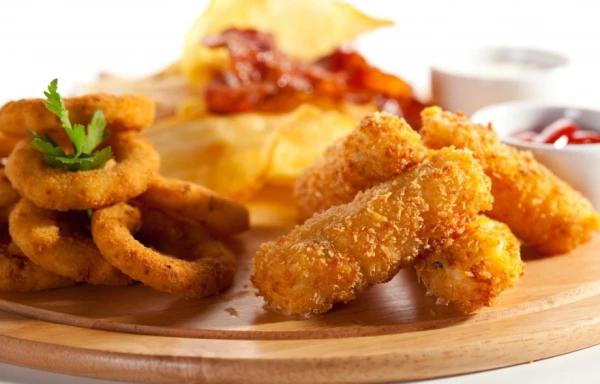
Batter is a liquid dough in which products are dipped before frying. Most often, pieces of products are deep-fried, giving the dish a fragrant, golden, and crispy crust. It is this appetizing crust that has made the culinary method of batter popular worldwide.
In Japanese cuisine, batter is known as tempura, and the Japanese owe its preparation to the Portuguese, who taught them this art in the 16th century. Since then, tempura has become an integral part of Japanese gastronomy.
The main ingredients of any batter are flour, egg, and a flavorful filling. Yeast can be used if desired. There are three types of batter: sweet, neutral, and salty, and the choice depends on the ingredients used.
What Can Be Cooked in Batter
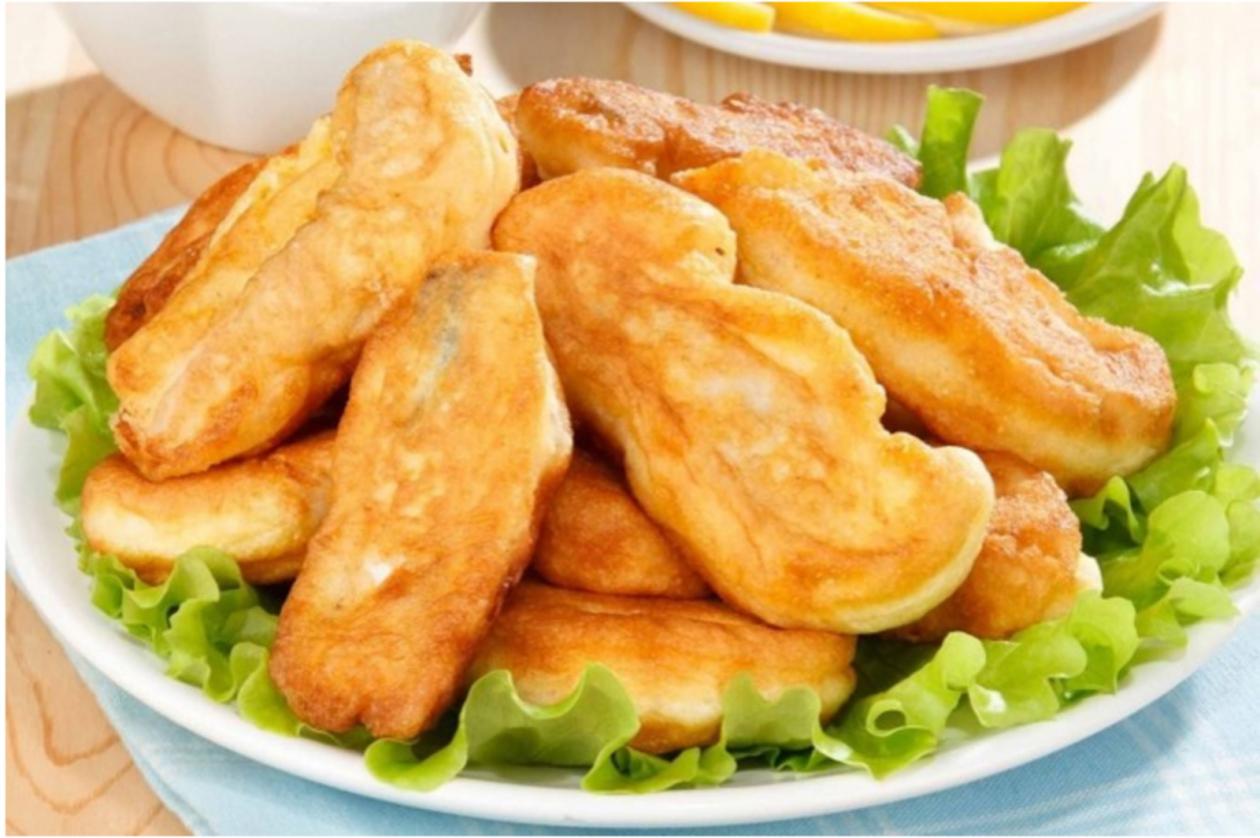
The most popular dishes are pork or chicken cutlets in batter. Fish is also often prepared, which retains its shape thanks to the batter, even when using thawed fillets. Batter is suitable for frying almost any products: cheese, beaten meat, offal, cutlets, squid rings, onions, potatoes, mushrooms, vegetables, croquettes, and rice balls.
One of the most beloved desserts is fruits with fillings in batter. Bananas, strawberries, and cherries are a real find for sweet tooths.
Among vegetables, cauliflower, eggplants, pumpkin, zucchini, bell peppers, and tomatoes turn out especially tasty. Leaves of sorrel, lettuce, celery, and asparagus are also cooked in batter. Hard vegetables are better boiled until semi-cooked beforehand.
What Liquid to Use for Batter
Batter is always prepared based on a liquid component. The simplest options are water or milk. Some chefs prefer to use mineral or carbonated water, while others experiment with wine, beer, vodka, cognac, fruit drinks, and juices. The main thing is that the drink complements the filling.
You can use the same liquid that is served as a drink with the dish. For batter for shrimp, seafood, squid, and fish, white wine or light beer is best. For meat, red wine or vodka is recommended. For sweet batters, homemade liqueurs, apple or plum wines, as well as fruit drinks and juices are suitable. For salty batters, broths and fermented dairy products can be used.
Flavor Additives for Batter
Dried and fresh herbs, spices, finely chopped onions, garlic, mushrooms, and sweet peppers can be added to the batter. However, it is best to add them to thick batter, as thin batter will not hold them during frying.
The flavor of the batter will become original if you add mashed potatoes or pumpkin. Ground nuts, from nutmeg to walnuts, are also great for any batter. Additionally, you can try various hard cheese varieties as flavor additives.
Cooking Nuances
* It is important to thoroughly mix all ingredients until maximum homogeneity is achieved. Eggs should be beaten separately: whites and yolks. The beaten whites are added to the batter before frying, and the batter itself is best kept in cold water.
* Use very cold liquids.
* Carbonated water gives the batter lightness and airiness, making it less greasy.
* The ratio of batter to products should be 1:1. For 100 grams of vegetables — 100 grams of batter.
* It is best to prepare the batter in advance, at least an hour before frying. During this time, the gluten loses elasticity, the batter adheres better to the product, and does not shrink during frying. After preparation, it is better to store the batter in the refrigerator to make it more elastic and homogeneous.
* Checking the desired consistency of the batter is simple: dip a spoon into it. If it evenly coats the spoon and does not let the surface shine through, then everything is fine.
And a few more little tricks:
The oil should be well heated so that the batter quickly sets and retains its shape. You can check the oil temperature by dropping a bit of batter into it: if it immediately sets, the oil is ready.
To prevent the batter from dripping, it is advisable to lay the products in a single layer on a wooden board and lightly sprinkle with flour or rice starch beforehand.
The adhesion of the product and batter can be improved by patting the product dry from excess moisture before dipping it into the batter.
The drier the product, the less batter it will need. For example, for chicken breast, it is better to use liquid batters that allow oil to penetrate inside and make the meat juicier. For juicy products, such as broccoli or orange wedges, a thick batter will be suitable.
Fried products in batter should be placed on paper towels to get rid of excess fat.
Classic Batter
Products cooked in classic batter come out with a beautiful golden crust. Any products can be used.
Ingredients:
Eggs 4 pcs.
Wheat flour 125 g
Vegetable oil 1 tbsp.
Water 0.5 cup
Salt to taste
Preparation:
Beat the yolks and whites separately. Place the whites in the refrigerator.
Combine the yolks, oil, water, salt, and mix. Add sifted flour and whisk.
When the mixture becomes homogeneous, take out the whites and beat them with a pinch of salt until frothy.
Carefully combine the batter with the whites, mixing thoroughly.
Chill the batter.
Cheese Batter
This batter is very hearty, and the products in it turn out beautiful and aromatic.
Ingredients:
Mayonnaise 3 tbsp.
Eggs 4 pcs.
Hard cheese 100 g
Flour 4 tbsp.
Salt to taste
Preparation:
Prepare classic batter according to the first recipe.
Grate the cheese and mix it with mayonnaise.
Introduce the cheese mixture into the batter and chill.
Batter with Cream and Sugar
This dessert batter has a thick consistency and allows the flavor of even the most delicate products to be preserved.
Ingredients:
Yolks 3 pcs.
Heavy cream 0.5 cup
Salt, sugar to taste
Flour as needed
Preparation:
Rub the yolks with salt, mix with the cream.
Add sugar and flour, mix thoroughly.
The correct consistency of this batter is like liquid sour cream.
Source: jenskiymir