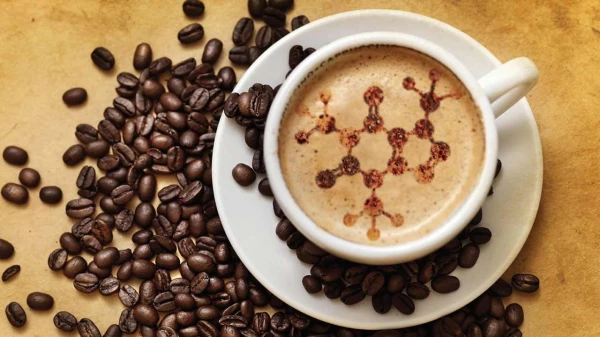
Caffeine, found in a number of beverages and products, can cause both physical and psychological dependence in large doses. This substance promotes increased alertness and activation of processes. It is important to know what amount of caffeine is safe for the body and what it depends on.
Caffeine is found in the following beverages and products:
Coffee. One cup (250 ml) contains 90–100 mg of caffeine, depending on the type of beans and brewing method.
Tea and soft drinks. Cola contains 35–45 mg of caffeine, while green and black tea contain 30–50 mg.
Chocolate. A 30 g serving can contain between 10 and 60 mg of caffeine, depending on the cocoa content.
Energy drinks — 70–200 mg per serving.
Caffeine affects the body in several ways:
* It increases energy levels and maintains activity by blocking receptors in the brain responsible for sleep.
* It improves mood and reduces the likelihood of depression.
* It enhances performance by stimulating mental activity and physical efficiency through fat breakdown.
* It contributes to improved memory and problem-solving.
* It enhances focus and attention.
However, it is important to remember that the effect of caffeine is temporary. The maximum recommended daily dose for most adults is 400 mg (about 4 cups of coffee).
The body's reaction to caffeine depends on several factors:
Health and age. The allowable amount of caffeine is influenced by weight, metabolic rate, and genetic factors.
Specific physiological conditions. Sensitivity to caffeine may increase with high blood pressure, cardiovascular diseases, anxiety disorders, and during pregnancy.
Sleep patterns. Excessive caffeine consumption can disrupt sleep, leading to decreased daytime alertness.
Excessive caffeine consumption can lead to negative consequences:
* Anxiety and nervousness.
* Insomnia.
* Digestive issues such as stomach ulcers, acid reflux, and heartburn.
* Rare muscle breakdown.
* Increased blood pressure.
* Changes in heart rhythm.
* Fatigue during the day.
* Frequent urination.
* Irritability.
Source: sovets