
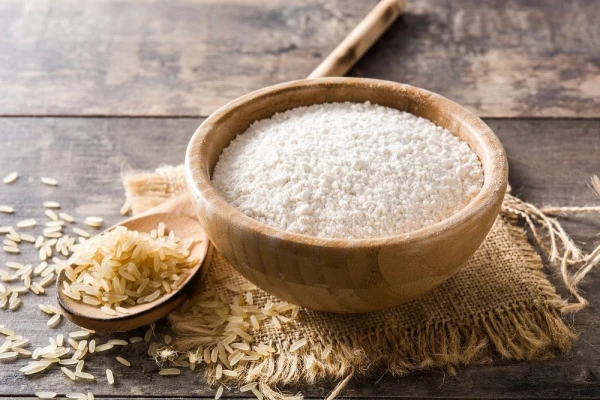
What are the benefits of rice flour and who can it harm?
In recent years, rice flour has gained popularity and many consider it an alternative to wheat flour. How justified this is, explains nutritionist Igor Strokov.
Rice flour is a product made from ground rice grains. It has a number of beneficial qualities:
Gluten-Free
Rice flour does not contain gluten, making it suitable for people with celiac disease or sensitivity to this protein.
Contains Vitamins and Minerals
Rice flour contains B vitamins, which are necessary for metabolism and the functioning of the nervous system, as well as minerals such as magnesium, phosphorus, and selenium.
Low Fat Content
Compared to wheat flour, rice flour contains less fat, making it more suitable for dietary nutrition.
Promotes Improved Digestion
The high fiber content in rice flour helps improve digestion and prevents constipation.
Suitable for Diabetics
Rice flour has a low glycemic index, which means it does not cause sharp spikes in blood sugar levels.
Who Should Avoid Rice Flour
Overall, rice flour is safe for most people. However, there are several categories for whom its consumption may be undesirable or even dangerous:
People with Rice Allergies
Some individuals may have an allergic reaction to rice, and in such cases, consuming rice flour can lead to negative consequences.
People with Digestive Disorders
Excessive consumption of rice flour may lead to digestive issues such as bloating and gas.
People with Kidney Diseases
Rice flour contains a high amount of potassium, which can be harmful to individuals with kidney diseases.















Leave a comment