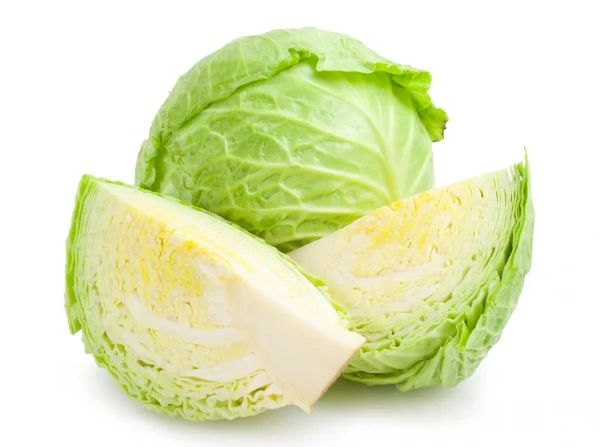
In cases of gastrointestinal diseases, it is recommended to exclude fresh white cabbage from the diet.
White cabbage is a source of many beneficial substances necessary for the full functioning of the body: vitamins B, A, E, and K, as well as folic and ascorbic acids, potassium, calcium, magnesium, silicon, sodium, sulfur, phosphorus, and chlorine, various sugars, and polyunsaturated fatty acids — and this is just part of its rich composition.
Cabbage certainly ranks among the leading popular foods. The components it contains significantly reduce the risk of developing colorectal cancer, prevent atherosclerosis, and have a positive effect on various systems of the body. For example, it helps improve metabolism and has analgesic and anti-inflammatory effects.
Moreover, the dietary fibers found in cabbage effectively aid in the elimination of harmful cholesterol from the body.
It seems that cabbage is an exclusively healthy product without restrictions? However, this is not entirely true. There are people for whom cabbage is contraindicated. This was explained by gastroenterologist and hepatologist Alexandra Yakovleva.
— People with gastrointestinal diseases should avoid fresh white cabbage, — emphasized the doctor. — Eating raw cabbage can cause digestive problems in patients with gastritis, gastric ulcers, and duodenal ulcers.
This is due to the high fiber content, which in large amounts can provoke exacerbations of gastrointestinal diseases.
— It is also not recommended to give fresh cabbage to small children: it is too heavy a food for them. Until the age of three, it should only be offered in stewed form or as part of soups and stews, — clarified Alexandra Yakovleva.
According to the doctor, raw cabbage is best not to eat for people with pancreatitis. They should choose boiled or stewed versions of this vegetable.