
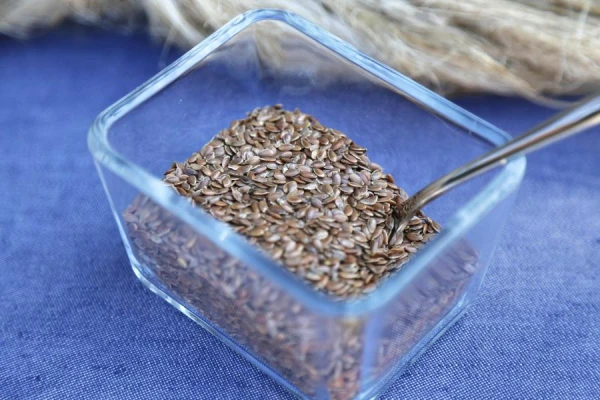
Incorporating flaxseeds into the diet is a healthy habit for well-being. They contain numerous biologically active substances. However, they should not be viewed as a miracle product capable of replacing medications in the treatment of diseases.
Flaxseeds are often referred to as a superfood and a domestic alternative to popular exotic chia seeds. Indeed, they contain many beneficial substances, just like flaxseed oil, which is produced from them.
There are many ways to consume flaxseeds; it is not necessary to eat them by the spoonful, washing them down with water. They can be added to yogurt or kefir, sprinkled on porridge or salad, and used in baking.
According to therapist professor Oksana Drapkina, in 100 grams of flaxseeds, you can find:
124% of the daily norm of manganese;
122% of copper, which is important for blood formation and collagen synthesis — the main protein of connective tissues;
110% of vitamin B1 (thiamine), necessary for the metabolism of carbohydrates and fats, as well as for the normal functioning of the nervous, cardiovascular, and digestive systems;
98% of magnesium;
80% of phosphorus, which plays an important role in bone formation, nerve impulse transmission, and heart function;
46% of selenium;
36% of zinc.
Additionally, flaxseeds are characterized by a high fiber content — both soluble (25%) and insoluble (75%). This contributes to improved bowel function.
What other beneficial properties do flaxseeds have?
1. Lowering blood glucose levels
Several studies have shown that overweight individuals and those with prediabetes who consumed flaxseeds for three months experienced a reduction in blood glucose levels and improved insulin sensitivity.
2. Aiding in weight loss
Research has shown that regular consumption of flaxseeds contributes to weight loss and a reduction in waist circumference.
3. Improving cardiovascular health
Fiber and a high amount of polyunsaturated fatty acids (PUFAs) positively affect the heart and blood vessels. Scientists have found that prolonged consumption (more than three months) of flaxseeds contributed to a decrease in blood pressure and cholesterol levels.
4. Protection against cancer
Some studies suggest that lignans — hormone-like substances found in flaxseeds — may reduce the risk of breast cancer and slow its progression. There is emerging evidence that similar effects are observed concerning lung, colon, ovarian, and cervical cancers. However, this refers to additional protection alongside standard treatment, not as a replacement for medications.
5. Easing menopausal symptoms
It is believed that due to hormone-like substances, flaxseeds may alleviate menopausal symptoms by reducing the frequency and intensity of hot flashes.
Who should avoid consumption
According to Professor Drapkina, flaxseeds are not recommended for people with allergies to them. Additionally, pregnant and breastfeeding women should refrain from this product, as there is a risk of premature labor.
How to consume properly
It is recommended to consume no more than 1-2 tablespoons of flaxseeds daily, preferably using ground seeds. They should be stored in a cool, dry place in an airtight container to preserve their beneficial properties for as long as possible.















Leave a comment