
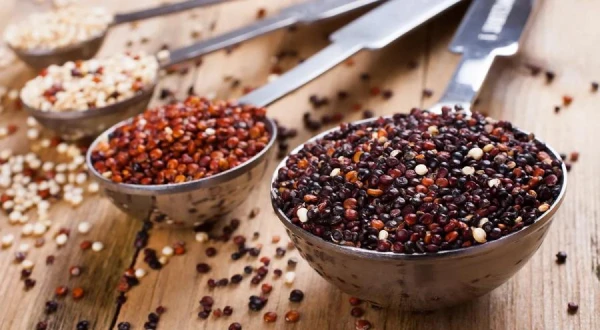
The American grain quinoa has rightfully earned the status of a superfood and has become popular in the culinary world. It is prepared in restaurants, recommended by dietitians and Hollywood stars. Thanks to its rich mineral composition, it is a true find for vegetarians, those looking to lose weight, and people observing fasting. However, many do not know how to cook it. If you have decided to try this superfood, our recommendations will help you.
5 advantages of quinoa over other grains:
* High protein content — up to 20%, making it the richest in protein among grains. Moreover, the protein is complete, providing the body with all the essential amino acids.
* Gluten-free. If the salad recipe includes couscous or bulgur and you cannot tolerate gluten, you can safely replace them with quinoa. You can also prepare quinoa porridge instead of morning semolina.
* High magnesium level (100 g contains 58% of the daily norm) helps reduce hunger, which is especially beneficial during a diet or stress. Magnesium calms the nerves, preventing uncontrolled overeating in stressful situations.
* Quinoa contains a significant amount of fats — about 6% of its dry weight. This does not make it too caloric (like rice or oatmeal, which contain about 370 kcal per 100 g), but adds beneficial properties: the majority of the fats are healthy omega-3 fatty acids. Although there are more in fatty fish, among grains, only millet and quinoa can boast of their content.
* Anti-inflammatory action and high fiber concentration contribute to slow digestion, preventing sharp spikes in blood sugar.
How to properly choose and store quinoa
Quinoa should be stored in an airtight jar, protected from moisture and light. Under the influence of light, the grains spoil quickly and acquire a rancid taste. When purchasing, it is important to pay attention to the integrity of the packaging and the expiration date. It is recommended to choose packaging from the back of the shelf — there, the grains are stored better, protected from bright light.
How to cook quinoa
Cooking quinoa is not difficult: pour the grains into a pot, scald with hot water and drain, then add water (1 part of grains to 2 parts of water or broth), add a little salt and cook on low heat, stirring occasionally, for about 15 minutes. The cooked grains should have a slight crunch. After cooking, drain any excess water (if it hasn't been absorbed), cool, and use. It is best to store cooked grains in the refrigerator without liquid. Quinoa can also be prepared like risotto: first, sauté in oil for a couple of minutes, then boil.
How to avoid mistakes when cooking
It is almost impossible to spoil quinoa unless you overcook it to a mushy state. Also, do not combine it with ingredients that can overshadow the flavor of the grains: quinoa porridge should not have too much hot pepper, garlic, or spicy sauces — if you add them, do so in moderation.
Original quinoa recipes
Quinoa, with its interesting texture and nutty flavor, is good on its own; just add salt, pepper, and a little olive oil. It makes sense to use quinoa as a light side dish, mixing it with fresh cucumbers, sun-dried tomatoes, or roasted peppers. But there are also more creative ways. For example, a couple of tablespoons of quinoa can be added to fruit smoothies for texture (in this case, do not add salt during cooking). It can also replace rice in stuffing for baked peppers and tomatoes, making the dish healthier. Quinoa can be used instead of semolina in cottage cheese casseroles and syrniki. Scientists claim that a protein boost from this healthy grain is best suited for breakfast to provide energy for the whole day.
Contraindications
As a dietary product, quinoa has virtually no contraindications and brings only benefits. The only harm it may cause is in rare cases of individual intolerance. During its use in nutrition, no cases of allergic reactions have been registered. However, if there are concerns, it is advisable to reduce the portion of the dish.
Breastfeeding mothers are advised not to include quinoa in their diet, and it should be excluded from children's nutrition until the child reaches two years of age. Otherwise, colic, bloating, or nausea may occur.
People with kidney diseases should exercise caution when consuming quinoa. Excessive consumption of dishes made from this grain may lead to stone formation due to the presence of oxalates, which are also found in beets and spinach.







Leave a comment