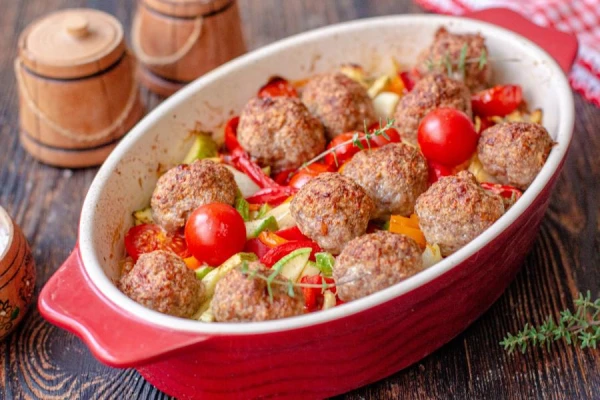
Hypertension is a condition characterized by elevated blood pressure, which can develop either chronically or periodically. Causes of hypertension can include harmful habits, diabetes, obesity, lack of physical activity, heredity, and other factors. Changing the diet in the early stages of the disease by adding foods beneficial for people with hypertension can help improve overall well-being.
Dietary adjustments are recommended with any treatment approach, as changes in diet help stabilize blood pressure. The main rules include limiting salt, reducing fats, maintaining water balance, and increasing fiber intake. Carbohydrates and proteins should be kept within reasonable limits.
Beneficial Foods for Hypertensive Patients:
* Lean protein products — white fish, seafood, chicken, rabbit meat.
* Foods rich in potassium and magnesium — dried fruits, lentils, pumpkin, buckwheat, oats.
* Sources of vitamin C — citrus fruits, rose hips, sea buckthorn, broccoli.
* Foods containing iodine — seaweed, squid, mussels, pollock, and hake.
* Foods with vitamins A and B — carrots, egg yolk, bran, cabbage, beans.
* Plant-based products — vegetables, fruits, berries, greens, oils, seeds, grains.
Additional Recommendations:
* Foods high in cholesterol should be replaced with lean fish, meat, and plant-based foods.
* Dairy products (cottage cheese, kefir) should be chosen with low fat content.
* Limit butter, sour cream, cheeses, salted fish, as well as bananas, pineapples, and tomatoes.
* Exclude alcohol, coffee, strong tea, fatty meat and fish, smoked products, and chocolate.
Top 10 Foods for Hypertensive Patients
1. Seafood (shrimp, squid, mussels)
Why they are beneficial for hypertensive patients: They lower harmful cholesterol levels and increase the share of beneficial lipids in the blood, preventing plaque formation. These products are essential for hypertensive patients as they help relax the walls of the arteries, which aids in stabilizing blood pressure. The beneficial properties are provided by potassium and Omega-3.
Additional benefits: Support for vision, thyroid, and brain functions, reduction of muscle pain, alleviation of inflammation in tissues, assistance in weight loss.
Recommended norm: A portion of 100-120 g, no more than 3 times a week.
2. Lean Meat (chicken, turkey, rabbit)
Why it is beneficial for hypertensive patients: It improves vascular elasticity, reduces the risk of atherosclerosis, regulates blood cholesterol levels, and normalizes blood pressure. It is not recommended to add much salt; it is better to use lemon and herbs for seasoning.
Additional benefits: Enrichment with amino acids, increase in muscle mass, improvement of blood composition, support for gastrointestinal, central nervous system, and immune functions.
Recommended norm: 150-250 g per day for an adult, 3-5 times a week.
3. Ginger
Why it is beneficial for hypertensive patients: It thins the blood and relaxes vascular muscles. It supports heart function, improves oxygen supply to tissues, strengthens the walls of blood vessels and capillaries. This product is suitable for people with hypertension who are not yet taking medication.
Additional benefits: Improvement of digestion, restoration of metabolic processes, relief of headaches, and calming of the central nervous system.
Recommended norm: No more than 10 g per day, up to 70 g per week.
4. Lemon
Why it is beneficial for hypertensive patients: It relaxes arteries and lowers harmful cholesterol levels, regulating fluid balance in the body. Some substances in lemon suppress the production of the hormone angiotensin, which can raise blood pressure. Lemon contains potassium, magnesium, citric acid, and flavonoids.
Additional benefits: Support for the immune system, improvement of gastrointestinal functions, stress relief, prevention of anemia, alteration of fat metabolism, and hunger alleviation.
Recommended norm: 2-3 slices per day, up to 1.5 fruits per week.
5. Almonds
Why they are beneficial for hypertensive patients: They normalize circulation and blood composition, strengthen the walls of blood vessels, regulate sugar and cholesterol levels, and replenish magnesium and, to a lesser extent, potassium. This contributes to lowering blood pressure. Other types of nuts, such as walnuts, are also beneficial for hypertensive patients.
Additional benefits: Improvement of brain function, support for bone density, acceleration of metabolism, protection against free radicals.
Recommended norm: 30-35 g per day, 3-4 times a week.
6. Garlic
Why it is beneficial for hypertensive patients: It improves cholesterol levels, ESR, replenishes sulfur reserves, relaxes vascular muscles, and widens their lumen. Garlic increases calcium levels and lowers C-reactive protein levels, leading to reduced blood pressure. It is one of the best foods for hypertensive patients.
Additional benefits: Stimulation of the immune system, correction of lipid profile, conversion of fats into heat, liver cleansing, protection of brain functions.
Recommended norm: Ideally 1 clove daily, up to 7 cloves per week.
7. Rose Hip

Why it is beneficial for hypertensive patients: It promotes the dilation and restoration of vascular elasticity, stimulates blood circulation, and supports heart function. These berries have a diuretic effect and improve sleep quality. They are recommended for people with hypertension due to their potassium, magnesium, vitamin C, and A content.
Additional benefits: Alleviation of inflammation, activation of the immune system, protection against toxicity, normalization of metabolic processes, and improvement of gastrointestinal function.
Recommended norm: In the form of a decoction, 200 ml per day, up to 1.5 liters per week.
8. Dried Fruits (figs, apricots, prunes)
Why they are beneficial for hypertensive patients: They initiate cholesterol metabolism and reduce the risk of vessel blockage, stabilizing heart rhythm. Dried fruits are rich in vitamins C, A, and B, as well as potassium, magnesium, and iron. These products are suitable for hypertensive patients as they promote vasodilation and stabilize blood pressure.
Additional benefits: Normalization of metabolic processes, improvement of gastrointestinal, liver, and central nervous system functions, improvement of blood composition, stimulation of the body's defenses.
Recommended norm: Up to 100 grams per day, from 350 to 600 g per week.
9. Buckwheat
Why it is beneficial for hypertensive patients: It strengthens blood vessel walls and reduces their fragility, normalizes blood circulation, and removes harmful cholesterol. It contains folic acid, magnesium, B vitamins, and iron. Blood vessels are saturated with oxygen, and their lumen expands.
Additional benefits: Improvement of liver and heart function, detoxification, strengthening of the immune system, improvement of digestion, increase in muscle mass.
Recommended norm: 150-200 g of dry buckwheat, up to 1.5 kg per week.
10. Olive Oil
Why it is beneficial for hypertensive patients: It reduces tissue inflammation and cleanses the blood of harmful cholesterol, preventing plaque formation. It normalizes endothelial function of blood vessels and increases the resilience of muscle layers. Therefore, this product is an essential component of the diet for people with hypertension.
Additional benefits: Restoration of intestinal function, increased bone density, regulation of blood sugar levels, support for central nervous system functions, and improvement of sleep.
Recommended norm: 1-2 tablespoons daily, 90-120 ml per week.