What causes feelings of hunger and appetite? Your body signals the need for energy or specific food. If you are aiming to lose weight, you are probably curious about how to reduce feelings of hunger. We have gathered 10 evidence-based methods to help you manage hunger and appetite.
Hunger and Appetite: What’s the Difference
Hunger is a physiological state in which the brain signals a lack of energy for the body. It usually occurs about 3 hours after eating or an hour after intense physical activity. Appetite, on the other hand, is related to emotional state. Emotions can trigger the desire to eat even when there is no physical hunger. Thus, with a strong appetite, you may not feel hungry but constantly think about delicious pizza, chocolate, or roasted meat.
10 Effective Ways to Reduce Hunger
When blood glucose levels drop, the level of ghrelin, the hunger hormone, increases. At this moment, the desire to eat something arises. This is a normal reaction if hunger does not occur too often or last too long, which may indicate a disruption in ghrelin secretion. In other cases, there are simple methods to reduce feelings of hunger.
Consume Protein-Rich Foods
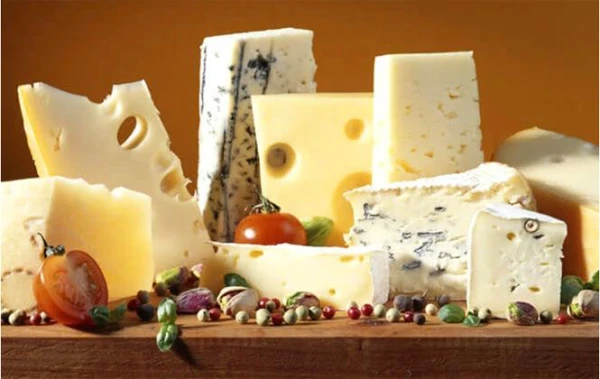
Proteins and healthy fats are suitable for satiating the body at each meal. It is also worth considering partially replacing carbohydrates with protein-rich foods such as legumes—soy, chickpeas, or lentils. A proper diet should include all sources of macronutrients found in meat, fish, eggs, and cheeses. Don’t forget to add a portion of healthy fats to each meal—nuts, seeds, avocado, or flaxseed oil.
Drink a Glass of Water Before Each Meal
The minimum amount of liquid to consume is 2 liters per day. It is recommended to drink a glass of water before meals. This fills the stomach, promotes quick satiety, and importantly, reduces appetite. Soups before the main course are also beneficial, but be careful: a low-calorie soup made with water can easily turn into a high-calorie one made with meat broth.
Physical Activity Before Meals
Physical activity is an important component of a healthy lifestyle. Studies show that hormones released during exercise, such as endorphins, effectively suppress the action of ghrelin, the hunger hormone.
Drink Green Tea and Herbal Teas
Consuming green tea, in addition to its antioxidant properties, helps with weight loss. The substances it contains, such as vitamin B, caffeine, catechins, and polyphenols, help control excessive appetite.
Establish a Daily Routine
Develop a schedule for the day. This will help you focus on tasks and not think about food. Morning workouts are also a great solution as they suppress appetite and allow for a later breakfast.
Choose Dark Chocolate
It is best to avoid milk chocolate and choose only dark chocolate with at least 70% cocoa content. If you crave something sweet, prefer dark chocolate. Studies show that it reduces appetite and contains half the carbohydrates compared to milk and white chocolate.
Consume Large Portions of Low-Calorie Dishes
If you suffer from excessive appetite, pay attention to the volume of the dishes you consume. You can eat more by consuming large amounts of vegetables, fruits, and whole grains while avoiding high-calorie foods.
Eat Foods Rich in Fiber
To suppress appetite and reduce hunger, it is recommended to include fiber-rich foods in your diet. These include fruits, vegetables, cereals, nuts, and dried fruits. Fiber slows down the digestion process, providing a feeling of fullness for a longer time.
Delay the First Meal for a Few Hours
It is best to have breakfast when you feel hungry, not according to a schedule. This will allow you to postpone your meal for some time. Start the day with yoga or light exercise. Black coffee without sugar can be a good option, but people with intestinal issues should avoid it.
Avoid Stress
You have probably heard of food stress. Excessive appetite is sometimes linked to an emotional reaction to stress. It is a way to distract from an unpleasant situation, providing temporary relief. It has been proven that emotions affect not only the quantity but also the quality of the foods consumed. Typically, such overeating is associated with consuming a large number of calories in a short period in the form of processed fats and sugars.