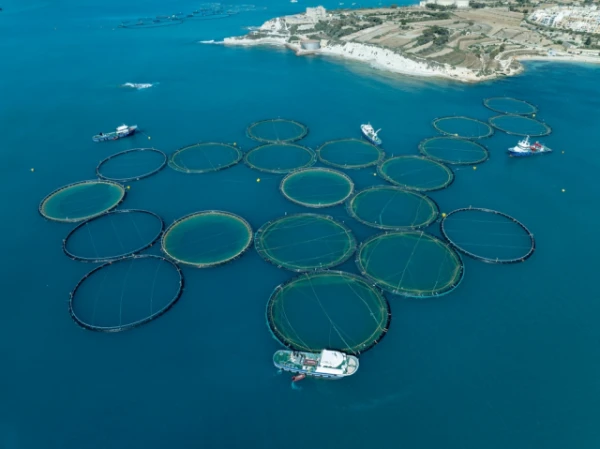
Farmed fish is often perceived as less healthy compared to wild fish; however, recent studies have shown that the latter may contain higher levels of pollutants. For example, the average mercury content in wild fish is 0.06 micrograms per gram, while in farmed fish it is 0.038 micrograms.
The level of arsenic is also higher in wild fish (3.26 micrograms) compared to farmed fish (1.23 micrograms). Residues of DDT, a banned pesticide, are also found in wild fish in greater amounts (196.48 nanograms per gram) compared to farmed fish (44.64 nanograms).
Aquaculture is growing faster than other food sectors, and producers are more strictly controlling feed and living conditions. However, heavy metals entering the water through pollution remain a problem. Safe seafood consumption is possible by following recommendations, especially for pregnant women and children. Fish remains a valuable source of protein and omega-3 fatty acids.