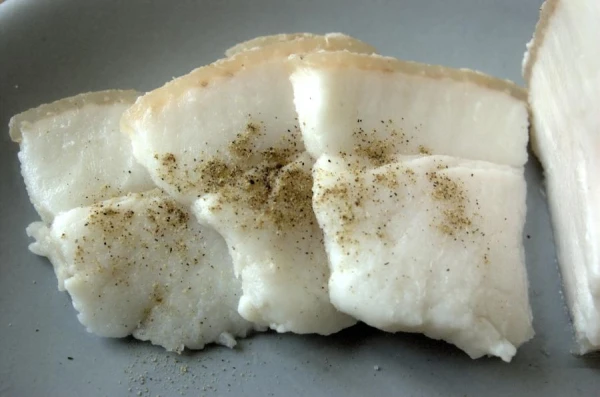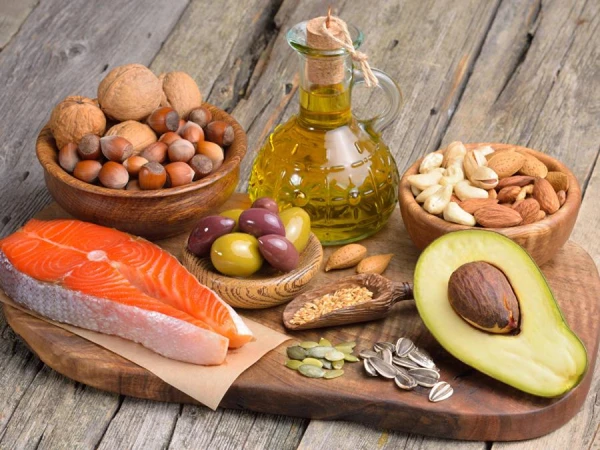
The key point is the quality of fats and understanding their necessary amount for each person.
Many people aiming for weight loss refuse fats in their diet. Although this approach may yield certain results, it can also significantly harm health.
RBK-Ukraine reports on the reasons why fats should not be excluded and the associated risks, citing a post by nutritionist Svetlana Fus on Instagram.
What Is Important to Know About Fats
“Every cell in our body is surrounded by a lipid membrane. It protects the internal structures of the cell from the negative effects of external factors. If the cell membranes do not function properly, minerals and vitamins enter the cells with difficulty, even if we take them in the form of supplements, and metabolic waste is poorly eliminated,” explains the nutritionist.
She adds that this is why proponents of low-fat diets who take “fat burners” should understand that they are depriving their cells of normal functioning and creating a vitamin and mineral deficiency.
“Even if they achieve the desired result, it will be at the expense of their health. Fats also contribute to maintaining the health of the skin, eyes, and other tissues, as they are part of the membranes,” asserts Fus.
Furthermore, the nutritionist emphasizes that in the bodies of men and women, sex hormones are synthesized from cholesterol, and a lack of fats in the diet can disrupt testosterone synthesis in men and estrogen synthesis in women.
“Quality fats are necessary, and it is important to know how much each person needs, considering their physical parameters, occupation, and level of physical activity,” notes the doctor.
In a healthy diet, the proportion of fats should be about 30% of the total caloric intake.
“For a person adhering to a 2000-calorie diet, the acceptable amount of fats per day would be 70 g. Of course, this figure may vary depending on individual characteristics,” says Fus.
She also points out that experts from the U.S. Food and Drug Administration state that for a person consuming 1500 calories a day, the maximum limit for total fat is 50-55 g. Otherwise, both too high and too low fat content in the diet can lead to metabolic disorders, increased fat reserves, and various health problems.
Source: 1001sovet