

“I love pasta, although many claim it will harm me…” — is heard in one of the popular songs of the Soviet era. But is it really a harmful product that should be avoided by those watching their figure? Dietitians are not so categorical.
Pasta is made from dried dough consisting of flour and water. At first glance, it seems like just carbohydrates. However, not all carbohydrates are equally harmful.
Pasta can be part of a balanced diet if you follow a few simple recommendations from Victoria Gonchar — a dietitian, gastroenterologist, and endocrinologist, PhD in medical sciences.
How to Choose Pasta Properly
“Healthy lifestyle advocates often consider pasta harmful to the figure. In reality, it’s not that straightforward: with the right choice and preparation, pasta can be not only tasty but also beneficial,” the doctor states. “It’s no coincidence that pasta is one of the main components of the Mediterranean diet, known for its health benefits.”
How to Consume Pasta and Potatoes to Lower Blood Sugar and Cholesterol Levels
“When choosing pasta, the main criterion is its composition. It’s better to prefer products made from durum wheat, which belong to group A,” recommends dietitian Victoria Gonchar. “The packaging of such pasta, if imported, may contain the labels grano duro or durum. Both terms mean ‘hard wheat’.”
To ensure the quality of the product, it’s worth checking the protein content in the composition. “Proper” durum pasta should contain at least 12–15 grams of protein per 100 grams. Group A pasta has fewer calories but more protein and beneficial fiber. They are digested more slowly and provide quality and prolonged satiety.
Groups B and C — Not for Those Who Want to Lose Weight
Pasta from group B is made from soft wheat flour. They are cheaper but also more harmful to the figure.
“Pasta made from soft wheat contains more calories and fast carbohydrates. They are digested faster and can cause fluctuations in blood sugar levels,” the doctor explains. “Frequent consumption of such pasta, especially in large quantities, can lead to weight gain, fat deposits, and even increase the risk of diabetes.”
Pasta from group B is made from bakery flour. This is the most harmful and least preferred option.
What to Pair with Pasta for Maximum Benefit: Tips from a Dietitian
How to Cook Pasta Properly: Three Key Rules
Even if you choose pasta made from durum wheat, it’s important to control portion sizes. It’s better not to consume more than 150 grams of cooked pasta at one time (about 60–70 grams when dry).
Watch the cooking time. Cooking al dente is considered healthier, where the pasta retains a slight firmness. This rule is followed in Italy. Al dente pasta retains more nutrients and helps you stay full longer. However, its caloric content is usually higher due to the lower water content in the finished dish. Pasta boiled to complete softness is less beneficial but lower in calories. The saturation of the dish with water reduces the caloric content by about 25%.
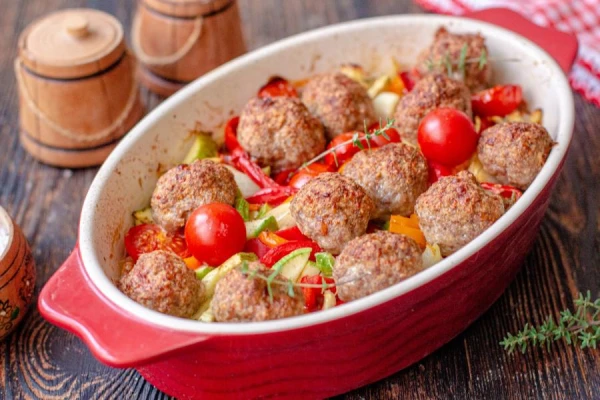
If you are watching your figure, pay attention to the filling for the pasta. If you serve fried minced meat or a sauce made with fatty cream with the pasta, the caloric content of the dish will significantly increase. A healthier alternative would be stewed vegetables, lean fish, and tomato sauce with herbs and spices.












Leave a comment