The quality and longevity of life depend on many factors, one of which is nutrition. Therefore, it is extremely important from an early age to adhere to a full and varied diet that includes all necessary micro- and macronutrients. However, this is not always possible, and most people develop various harmful eating habits throughout their lives.
Today we offer to focus on several nutrition principles that should be followed after 60 to maintain vitality in later life.
First of all, it is necessary, if not to completely eliminate, at least to reduce the consumption of processed foods. This category includes fast food, instant meals, frozen convenience foods, sausages, and sweets. These products are easily accessible but contain a large amount of artificial flavorings, colorings, and thickeners, while the necessary vitamins and trace elements are almost absent.
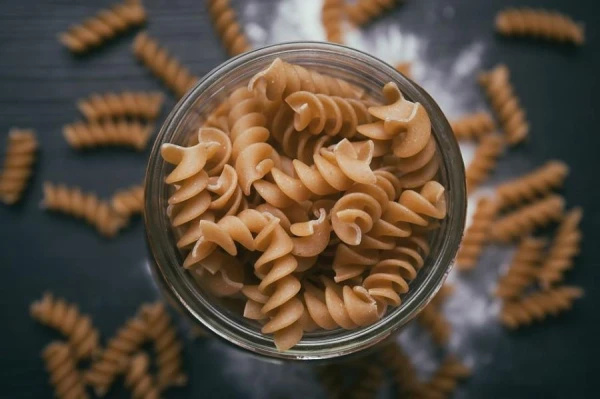
Nutritionists recommend that older adults increase their intake of whole grains, vegetables, fruits, and dried fruits, as they are rich in fiber, which positively affects digestion and reduces the risk of diabetes. However, it is important to gradually increase the level of fiber in the diet, especially if it was previously consumed in small amounts, so that the body can adapt. As for salt, on the contrary, its quantity should be reduced, and overly salty dishes should be avoided.
Interestingly, adding spices to dishes can significantly improve health. Therefore, one should not miss the opportunity to combine pleasure with benefit, but it is important to introduce new seasonings into the diet cautiously, especially if they were previously used sparingly. It is also worth noting that many people prefer not to eat the skins of vegetables and fruits, although it is in the skins that the highest amount of beneficial substances is found. For example, potato skins contain 12 times more antioxidants than the flesh, as well as a lot of potassium and magnesium.
With age, calcium becomes increasingly important for maintaining bone strength and dental health. For this, it is sufficient to ensure that dairy products, eggs, nuts, and seafood are present in the daily diet.
Finally, another important rule: get enough calories. A calorie deficit in later life will not help effectively lose weight (it will return as soon as the diet is stopped), but it can lead to a decrease in muscle mass and reduced support for bones and joints.
Source: dietology.pro