A familiar situation: as soon as you try a piece of herring, your hand reaches for another? However, nutritionists recommend limiting yourself to two servings a week, not exceeding 100 grams a day. In this case, this simple and affordable product will bring you only benefits and good mood.
Why Herring is So Popular
Herring is an affordable fish that, due to its composition and the ratio of fat and salt, has a positive effect not only on taste sensations but also on overall well-being, lifting the mood. People, perhaps unknowingly, find comfort from stress in pieces of herring.
Health Benefits of Herring
* reduces the risk of cardiovascular diseases, helps increase levels of beneficial cholesterol, cleanses blood vessels;
* has anti-inflammatory properties;
* strengthens the skeletal system;
* boosts immunity;
* improves metabolism;
* helps recover from stress;
* reduces levels of fatigue and anxiety;
* enhances mood and strengthens the nervous system.
Herring is a salted or pickled fish rich in polyunsaturated fats and vitamins. There are more than 180 species of herrings, including sprat, anchovy, and shad.
Like any fish, herring is very beneficial. In 100 grams, it contains omega-3, B vitamins, vitamins E and D, iodine, phosphorus, copper, calcium, selenium, and high-quality protein (19 g). There are 158 kcal in 100 g of herring.
Vitamin B12 — The Main Secret of Herring
In 100 g of herring, there are four daily norms of vitamin B12 — a substance vital for the body. Vitamin B12 deficiency is quite common. Without it, cell regeneration is impossible, blood formation does not occur, adrenaline is not produced, and the pancreas cannot function.
Vitamin B12 is involved in protein metabolism, enzyme synthesis, and red blood cell production. It is also important for maintaining cognitive functions and the proper functioning of the nervous system. It is precisely because of vitamin B12 that herring helps cope with anxiety and stress, lifting the mood.
Moreover, vitamin B12 in herring is well absorbed due to the salt it contains.
The Harm of Herring
The dark side of herring is its high salt content. Therefore, it is advisable not to overindulge in this fish to avoid swelling and salt deposits. People with high blood pressure and kidney diseases should limit their consumption. Caution is also advised for those who wish to maintain their slimness.
When and What to Eat with Herring
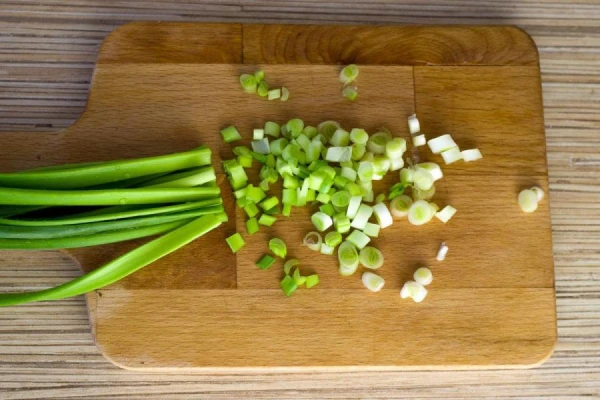
Herring has a strong flavor, so it is traditionally paired either with neutral products such as boiled eggs, potatoes, and beets, or with spicy, sour, or sharp ingredients. Excellent complements to herring include mustard, olives, apples, cranberries, and pickled onions — based on these components, one can create many appetizers. Fresh vegetables and herbs also perfectly complement herring dishes, neutralizing the greasiness and adding juicy flavor, fiber, and moisture.
Salted herring can be consumed at any time of the day, except for the last meal and at night, to avoid swelling in the morning. Among drinks, it is better to choose those that quench thirst, such as water and tea. Carbonated drinks and sweet juices are not suitable with herring, as they may increase thirst. It is better to remain silent about a 50 g shot, which is perfectly suited to herring.
Why the Desire to Eat Herring Arises
Besides the obvious answer “because it’s tasty,” herring often becomes desirable during periods of increased stress and when there is a lack of fatty acids, including omega-3. Pregnant women often experience cravings for herring — this is the body’s signal for the need for additional vitamin support during this challenging time.
Why Herring is More Often Eaten Salted
Marinating, salting, or smoking brings out its aroma most fully. Fried herring can turn out dry and tough, making this cooking method less preferable.
Simple Recipe for Lightly Salted Herring
By preparing fish using this recipe, you can enjoy herring as a standalone dish: for example, serve it with boiled potatoes, onions, and black bread. Alternatively, after cleaning the fish, you can use it to make “Herring Under a Fur Coat,” forshmak, and other dishes.
Ingredients:
herring carcass,
half a liter of water,
one tablespoon each of salt and sugar,
a teaspoon of vegetable oil,
bay leaf,
5–7 pieces of allspice.
Remove the head and gills, gut the fish. If desired, the carcass can be cut into pieces if you plan to eat herring with potatoes. In this case, the salting time will be reduced to two days. If the herring is intended for other dishes, leave it whole — this will make it easier to fillet the fish.
Bring the water to a boil, add oil, sugar, salt, bay leaf, and pepper. Cool the brine, pour it over the fish, and cover tightly with a lid. The herring will be ready in three days.
Forshmak
Ingredients:
100 g herring fillet,
one onion,
one boiled egg,
30 g apples,
25 g butter,
black ground pepper — to taste.
Finely chop the herring, onion, eggs, and apples. Add the butter and season with black ground pepper. Adjust the size of the chop: forshmak can be made into small cubes or blended in a blender. Serve on toasted Borodinsky bread, in vol-au-vents or tartlets, as well as in small portioned dessert cups as a standalone appetizer.