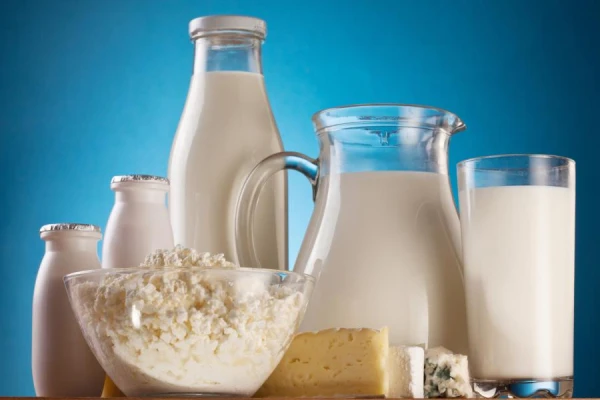
Many experts and advocates of 'healthy eating' emphasize the benefits of a dairy-free diet. However, not all claims circulating on the internet are true. Let's find out how a dairy-free diet affects the body and what its advantages are.
To maintain health, a person needs a varied diet. Dairy products are a source of protein and calcium; however, some people suffer from lactose intolerance or simply do not like the taste of milk. Nowadays, there are many alternatives, and more and more people claim that dairy should be excluded from the diet. What arguments support this opinion?
One of the main advantages of eliminating dairy products is the reduction of saturated fats, sugars, and salt intake, which overall contributes to a lower calorie diet and helps maintain a healthy weight. However, there are other important aspects...
Improved Digestion
Dairy products contain natural sugar—lactose, which requires the enzyme lactase for its breakdown. The level of this enzyme varies among individuals, and those who suffer from lactose intolerance do not produce it in sufficient amounts. If lactose is not broken down, it can lead to bloating, nausea, and digestive disorders. Even if you do not have complete intolerance, try eliminating dairy products for at least a week and observe your condition.
It was previously thought that dairy products could cause inflammatory processes that disrupt digestion. However, modern studies have refuted this view.
Cause of Acne
Cow's milk and dairy products contain casein and whey, which can increase the levels of insulin-like growth factor-1 (IGF-1), associated with increased sebum production. This stimulation may be linked to the occurrence of acne.
There is also an opinion that cows on farms are treated with artificial hormones, which may affect the composition of their milk. A study published in the Journal of Clinical and Aesthetic Dermatology showed that this could also affect our hormones, which, in turn, could trigger the appearance of acne.
However, experts note that the evidence for this connection is still insufficient, and these are merely theories. There is no reliable data on a direct correlation between dairy consumption and acne, but if you have noticed such a connection, it may be worth reducing your dairy intake.
Weight Loss
People who regularly consume dairy products may face the risk of weight gain. “Due to their high-fat content, dairy products are quite calorie-dense compared to other foods and beverages,” says dietitian Alex Parrin.
Moreover, most of the fats in milk and dairy products are saturated fats, which can negatively impact health. Excessive consumption can lead to elevated cholesterol levels, increasing the risk of cardiovascular diseases such as heart attack or stroke.
Increased Energy
Although dairy products are calorie-dense and provide energy to the body, they also contain the amino acid tryptophan, which contributes to fatigue. Additionally, dairy products are digested slowly, causing the body to expend more energy on their absorption.