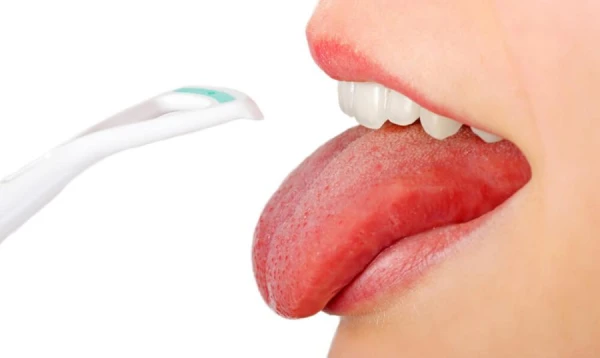
A metallic taste in the mouth is an unpleasant and sometimes persistent sensation. Although it is not very common, its appearance can be associated with both insufficient hygiene and other health issues.
If you often experience a metallic taste on your tongue, it is a signal to consult a therapist. By understanding the causes of this condition, you can take the necessary steps to eliminate it.
In this article, we have gathered several factors that can cause a metallic taste. Among them are both harmless reasons and more serious ones that require immediate attention.
Oral Hygiene
When was the last time you visited a dentist? This question should be asked if you have felt a metallic taste in your mouth again. It can arise from irregular tooth brushing, gum inflammation, infections, or diseases such as gingivitis and periodontitis.
If the cause lies in poor oral health, the unpleasant taste may be accompanied by bleeding gums.
Cold, Flu, and Other Infections
Acute respiratory infections, flu, and other infections that manifest with a runny nose, cough, and inflammation of the upper respiratory tract can affect the taste in the mouth. In this case, it is important to wait for complete recovery, drink more fluids, and take medications prescribed by a doctor if necessary. The metallic taste will likely disappear as soon as the illness subsides.
Antibiotics and Vitamins
Some antibiotics can affect taste receptors, leading to a metallic taste during their intake. A similar effect can be caused by heart medications, gout medications, and antidepressants.
The metallic taste can also occur after consuming cold lozenges containing zinc.
Additionally, vitamins with iron and calcium supplements, as well as multivitamins containing copper, zinc, and chromium, can cause this sensation.
Pregnancy
An unexpected cause of a metallic taste can be pregnancy. Although this side effect is not observed in all women, when it does occur, it is most often in the early stages and resolves on its own over time.
Dementia
Changes in taste perception can be one of the signs of dementia. This is related to disturbances in the thalamus and the taste area of the cerebral cortex. In such cases, it is recommended to prepare dishes with bright and distinct flavors that are easily recognizable.
Stomach Disorders
Heartburn, acid reflux, and indigestion can manifest not only as bloating, burning in the chest after eating, belching, and nausea, but also as a metallic taste in the mouth. In this case, professional help is necessary.
You can try to alleviate the symptoms on your own, for example, by following a diet and avoiding fatty, fried, smoked, and salty foods, as well as giving up the habit of having late dinners.
Foreign Chemicals
It is important to remember: one of the most serious causes of a metallic taste can be inhaling a significant amount of mercury or lead. Toxic chemicals entering the body can lead to poisoning and even death, so it is essential to protect yourself and your loved ones.
There is a risk of lead poisoning from lead-based paints, inhaling industrial dust with impurities, or working with batteries. As for mercury, the most common household source is a broken thermometer.