
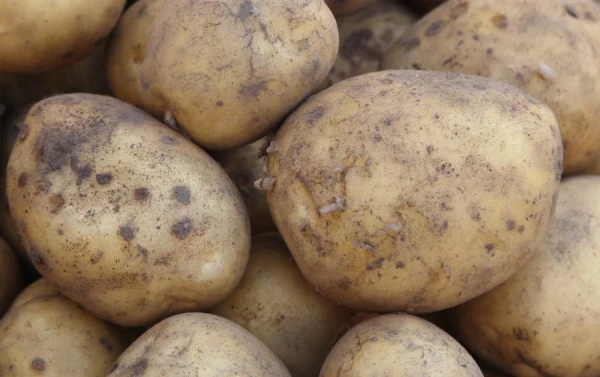
Potatoes are sold in large quantities, and this is no coincidence. This vegetable can be stored for weeks and even months, unlike many others. Although potatoes do not require special care, there are both proper and improper methods for storing them. Chef Natalia Kosmacheva shares her secrets for storing potatoes at home.
Storage Duration of Potatoes
The shelf life of potatoes directly depends on the conditions of their storage. Fresh and high-quality potatoes can be stored for several months. However, if the storage temperature exceeds 12 °C, the tubers begin to lose moisture and spoil more quickly. Nevertheless, even in less than ideal conditions, starchy potatoes can remain suitable for consumption for several weeks.
Rules for Storing Potatoes
When purchasing, pay attention to the cleanliness of the tubers — they should be free of stains, cuts, and soft spots. The skin of the potato should be smooth, with minimal shallow “eyes” and without greenish spots. Defective tubers tend to spoil faster.
Keep Potatoes Dry
Although there may be a desire to wash dusty tubers before storage, it is better not to do so. Moisture creates excess humidity, leading to a musty smell and accelerated aging. Store potatoes in the condition in which they were purchased, and wash them only before use.
Use a Basket, Cloth Bag, or Paper Bag for Storage
One of the secrets to keeping potatoes fresh is proper air circulation. If you purchased potatoes in a mesh bag, it is not necessary to transfer them. It is enough to cover them with a cloth to protect them from light.
Find a Cool and Dark Place to Store Potatoes
Potatoes, which grow underground, prefer conditions that are as close to natural as possible — darkness and coolness. The optimal storage temperature is between 7 and 12 °C, so a cellar is an ideal option. If you do not have a cold basement, store potatoes in the darkest and coolest place, away from heat sources such as the stove or dishwasher. A garage may also be suitable during certain months, but do not store potatoes in the refrigerator!
Do Not Let Potatoes Sit
Each time you take potatoes from storage, check the condition of the tubers. Make sure there are no potatoes starting to spoil, and use them first. In your vegetable storage, new potatoes should always be at the bottom.
Proper Freezing of Potatoes
Another method of storage is freezing peeled potatoes. Keep in mind that converting starch to sugar makes raw potatoes not the best candidates for freezing. If you plan to use the freezer for long-term storage, cut the potatoes into cubes, strips, or slices, and then blanch them before freezing for the best results. Be sure to let the prepared potatoes cool completely before freezing, dry them with paper towels or a cloth, and then freeze and use them within a few months.
Can Potatoes and Onions Be Stored Together?
There is an opinion that potatoes and onions should be stored separately, and this is indeed true. Keep potatoes away from ethylene-producing products such as onions, apples, and bananas. This gas accelerates the aging and sprouting of potatoes.
Can You Eat Sprouted Potatoes?
Even after potatoes have been harvested, they continue to live and can sprout. This is a natural process. If you notice a small sprout, simply remove it. Such potatoes are still safe to eat. Proper storage will help slow down sprouting.
What to Do with Green Spots on Potatoes?
If a potato has turned green, it is likely due to exposure to light. Sort through the tubers, separating the green ones from the others. Remove the green parts and use the potatoes as intended. If almost the entire tuber has turned green, it is better to throw it away.










Leave a comment