
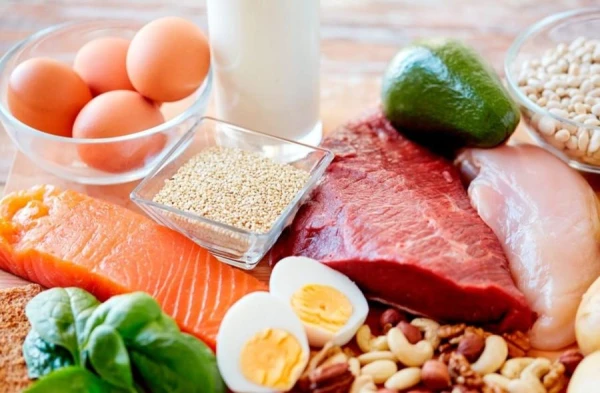
What foods can replace hypertension medications or delay its manifestations? There are foods that must be present in the diet of people with high blood pressure.
Eggs in the Diet
There is a common belief that eggs contain a lot of cholesterol and are not recommended for people with cardiovascular diseases. However, some studies show that they may help lower blood pressure. Dairy products have an even more pronounced effect in this regard.
The mechanism of action of dairy products is similar to the effect of the most common hypertension medications known as "ACE inhibitors." During the digestion of dairy proteins, polypeptides are formed — fragments of protein consisting of several amino acids. Some of them act similarly to medications. Eggs also contain components that, when digested, form polypeptides with a similar effect.
Regular consumption of dairy products can reduce systolic blood pressure by an average of 5.1 mm Hg and diastolic blood pressure by 2.4 mm Hg. Although pharmaceutical drugs are more effective, such an effect from diet is a significant addition. It helps reduce the risk of heart attacks, strokes, and other complications. For people with prehypertension or those predisposed to it, such a diet can delay the development of the disease.
How should one organize their diet? It is recommended to consume 150–200 g of yogurt, kefir, other fermented dairy products, or cottage cheese daily. Ricotta cheese, which is made exclusively from whey rich in beneficial proteins, is particularly useful. Ricotta can be found in most supermarkets, although it is slightly more expensive than cottage cheese and is purchased less frequently. Modern recommendations allow for eating eggs up to five times a week, one at a time.
Mineral-Enriched Foods
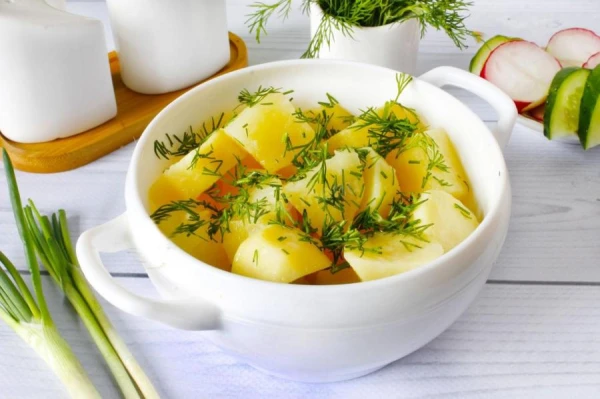
Potassium plays a key role in lowering blood pressure, while magnesium protects blood vessels. However, these elements are often lacking in our diet. There are several ways to increase their intake. For example, one can use salt enriched with potassium and magnesium. It is also advisable to include foods rich in these minerals in the diet. Tropical fruits, among which kiwi and bananas are the best sources, are the primary options. Good doses of potassium are also found in prunes, dried apricots, beans, and potatoes, but only when baked or fried with the skin on. Prepared chips made from potato skins with spices and no salt can become an excellent superfood — high in potassium and low in calories and carbohydrates.
Doctors increasingly recommend that hypertensive patients follow the DASH diet (an acronym for "Dietary Approaches to Stop Hypertension"). This diet is used in conjunction with medication, and in the early stages, it can be used without pills. It includes a large amount of fruits, vegetables, low-fat dairy products, whole grains (cereals and bread), as well as lean meat and fish. At the same time, the consumption of sweets, desserts, and sugary drinks is limited. Studies show that such a diet also helps lower blood pressure.
Expert Opinion
Professor Anatoly Skalny, head of the molecular dietetics laboratory at the Institute of Personalized Medicine of Sechenov First Moscow State Medical University, Doctor of Medical Sciences:
— I support the use of superfoods: these are products that are concentrates of beneficial substances in significant doses.
For people with hypertension, it is important to consume foods that contain high levels of potassium, magnesium, phosphorus, zinc, selenium, antioxidants, and polyunsaturated fatty acids (PUFAs). These components help lower blood pressure and protect the heart and blood vessels. Due to climatic conditions and the peculiarities of nature, many of these superfoods originate from South America.
Sesame, Brazil nuts, quinoa, amaranth (Inca bread), and chia seeds are available to us as well. For example, 100 g of chia seeds contains 94% of the daily requirement for magnesium and 100% for selenium, while porridge made from 100 g of red quinoa provides 37%, 63%, and 37% of the daily requirement for potassium, magnesium, and zinc, respectively, and is gluten-free. Just 1–2 Brazil nuts provide the daily norm of selenium.










Leave a comment