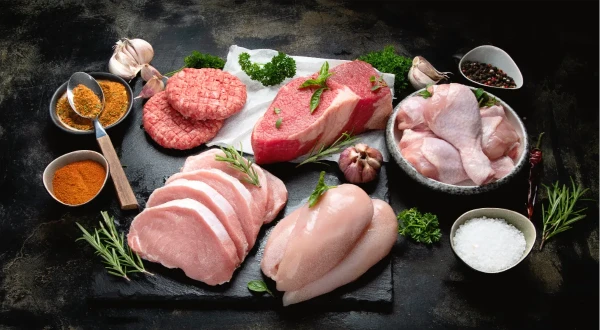
Antibiotics are used in livestock not only for treatment but also to accelerate animal growth. Meat with traces of applied drugs often ends up on our table.
Candidate of Medical Sciences, immunologist Daria Sadovskaya explained how to choose a 'clean' meat product.
Why Animals Need Antibiotics
According to the doctor, antibiotics change the gut microbiota and reduce tissue sensitivity to insulin. As a result, the mass of the animal increases. Additionally, poultry and livestock require prevention and treatment of various diseases.
If the technology for applying antibacterial therapy was violated during production, final checks were not conducted, and traces of the drugs remained in the meat, humans can also be affected.
"Even if you have never undergone antibiotic therapy, you have 100% eaten them (about 70–80% of all antibiotics in the world are used in livestock for fattening and disease prevention)," the doctor stated.
Residual antibiotics disrupt the balance of intestinal microflora, weaken the immune system, and slow down metabolism. Over time, this increases the risk of excess weight, insulin resistance, and digestive problems. But the main threat is the development of antibiotic resistance, making the treatment of infections ineffective.
Which Types of Meat Are the 'Cleanest'
Thus, Sadovskaya recommended paying attention to the origin of the product and choosing meat for which antibiotics are used the least:
- guinea fowl;
- goose;
- lamb;
- goat meat;
- game;
- pasture-raised beef.
Ducks, quails, rabbits, and feedlot cattle are somewhere in the middle. Much depends on their living conditions, so it is important to check the producer. Ideally, they do not need antibiotics, as their own immunity is sufficient.
On the other hand, broiler chickens, turkeys, calves, and pigs have weak immune systems, especially in the first weeks of life, so antibiotics are regularly added to their feed and water on large farms.