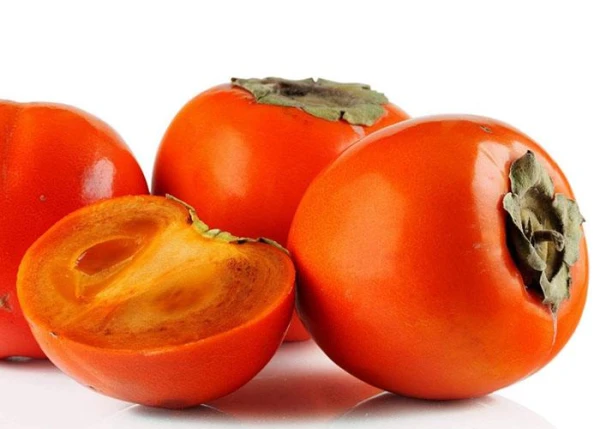
Sweet and juicy persimmons have many fans. Astringent ones do not. Nevertheless, you can bring fruits of different quality and taste from the store. Even if you are not entirely lucky with your catch, there are several ways to ensure that persimmon does not astringe. Choose any.
Why Persimmon Astringes
To understand how to make persimmon sweet and non-astringent, let’s figure out why it can be astringent in the first place. The unpleasant sensations in the mouth are caused by a group of substances called tannins. They are found not only in persimmon but also, for example, in wine, tea, and some berries. In the mouth, tannins interact with proteins, which is why we feel that persimmon is astringent.
There can be a lot of tannins for two reasons. First, because the persimmon is not ripe enough. Such fruits are often found at the beginning of the season for this fruit. If ripe fruits are soft, even watery (some might say “slimy”), they are picked early so that they do not get bruised or rot during transportation. So, at home, you will have to work with them a bit.
Second, you may have chosen the wrong variety. Some types of persimmon have more tannins, while others have less. It’s enough to just remember the sweeter varieties and choose them first. By the way, we have a guide to popular persimmon varieties. It describes in detail how they differ from each other.
Is Astringent Persimmon Useful?
Of course, just like any other. Yes, it is unlikely to seem very tasty, but even in such persimmon, there will be plenty of beneficial substances: vitamins A, C, B group, calcium, phosphorus, iron (and this is just a small part).
Tannins themselves are also important for the body. They are antioxidants and plant-derived substances that can reduce the risk of developing serious diseases, including cancer. Tannins also have antibacterial properties and reduce inflammation.
However, there is an opinion that tannins can be harmful. Such an approach to food, unfortunately, can significantly narrow the diet. So let’s put it this way: in ripe and sweet persimmon, tannins are so low that they are unlikely to negatively affect the body. And an imperfectly ripe fruit can be brought to perfection, making it non-astringent.
One truly negative property of tannins is worth mentioning — they can interfere with iron absorption and eventually cause iron deficiency anemia. But this is unlikely to happen due to persimmon. However, it is advisable to avoid the habit of washing down food with tea (which has more tannins). It is sufficient to consume the beverage separately from meals and regularly check the hemoglobin and iron levels in the body as part of a health check-up. This will significantly reduce the risks.
How to Get Rid of Astringency in Persimmon
Let’s discuss 3 effective methods — simple and easy, which any hostess can handle.
Method 1. Soak the persimmon in warm water or dip it in boiling water and let it sit at room temperature for a while. Under the influence of heat, some tannins will break down, and the fruit will be less astringent. However, this may affect its original texture. Try it to see if this option suits you.
Method 2. Place the persimmon in the freezer and let it freeze. After that, thaw it, preferably gently in the refrigerator. The persimmon that has undergone shock treatment will be noticeably less astringent. This has been verified by experience.
Method 3. Let the persimmon ripen at home. Yes, there are non-astringent varieties of persimmon, but if you love other types and really want to enjoy their taste, let the fruit reach perfect ripeness. Place the persimmon in a vase with bananas or put it in a paper bag and leave it at room temperature. In 2–3 days, the persimmon will become perfect.