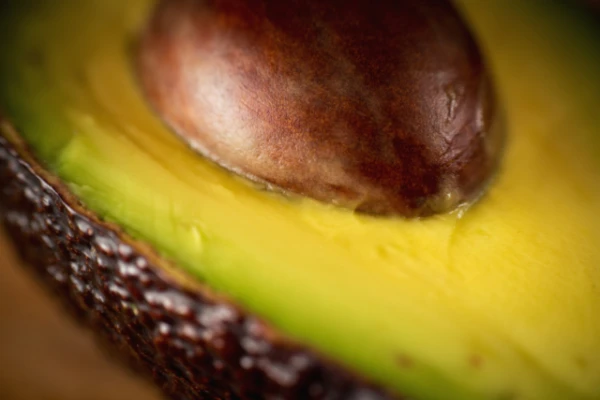
As soon as you cut an avocado, the green flesh begins to darken rapidly. The reason lies in a chemical reaction: the fruit contains the enzyme polyphenol oxidase (PPO), which, upon contact with oxygen, initiates the oxidation process of phenolic compounds. As a result, melanin — a brown pigment — is formed. This phenomenon is called enzymatic browning.
In addition to changing color, the flesh of the avocado may become slightly bitter due to the oxidation of fats. However, you should not throw away the fruit if only the top part has darkened: this layer can be easily cut off, leaving delicious green flesh underneath. Moreover, if the avocado is mashed, the unpleasant taste is hardly noticeable.
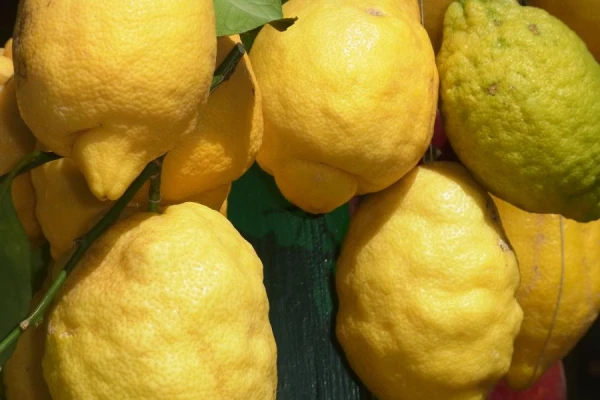
To slow down the darkening, people often leave the pit in half of the fruit — it covers part of the flesh and limits oxygen exposure. A tight covering with plastic wrap or storing in an airtight container also helps. Adding lemon or lime juice lowers the pH and slows down oxidation.
Stressful conditions, such as frost or heat, degrade the quality of avocados and shorten their shelf life. Avoid damaging the fruit to prevent oxygen from entering and accelerating spoilage.