
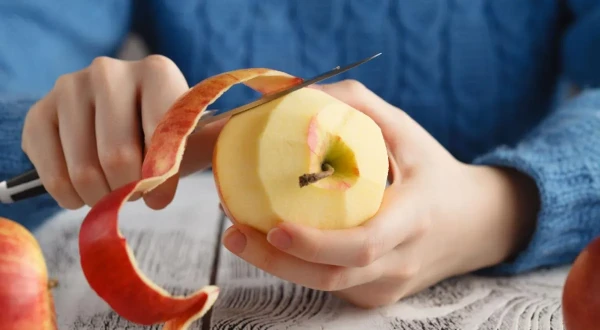
It seems that peeling vegetables and fruits is absolutely necessary. They look neater, are easier and safer to eat — dirt and microbes often remain on the surface.
However, it is in the skin that the main reserves of vitamins, fiber, and antioxidants are hidden, experts from VeryWell Health assure. Which fruits can — or rather should — not be peeled?
Kiwi
The fuzzy skin is twice as rich in fiber as the flesh and also contains vitamins E, C, and polyphenols. For example, a study published in the journal Nutrients showed that consuming kiwi with the skin reduces inflammation and improves gastrointestinal function.
Tomato
The tomato skin contains 2.5 times more lycopene than the flesh. This powerful antioxidant protects the skin from the sun and stimulates collagen production. Additionally, it contains zinc, manganese, and copper.
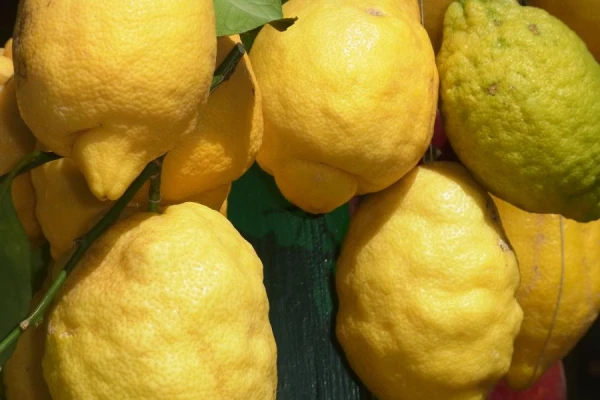
Citrus Fruits
The zest is rich in fiber, vitamin C, and bioflavonoids. Polyphenols (such as limonene) strengthen the immune system and reduce the risk of type 2 diabetes. It is not necessary to eat it by the spoonful — it can be grated into salads, drinks, and desserts.
Potato
Potato skin contains more vitamin C, potassium, folic acid, and magnesium than the peeled tuber. The skin also stimulates collagen production and has antioxidant properties. This phenomenon was the subject of a study by scientists from Peru.
Carrot
The thin skin of the root vegetable is a treasure trove of beta-carotene, antioxidants, and fiber. It is equally beneficial for vision, skin, and immunity.
Apple
The skin contains quercetin, catechin, and chlorogenic acid, which are beneficial for the heart.
Grapes
The skin of the berries is rich in resveratrol and anthocyanins, which protect the heart, reduce inflammation, and strengthen the gut microbiome.
Watermelon
The white part of the watermelon rind is rich in citrulline, which improves blood circulation and lowers blood pressure, as well as vitamins C and B6. It can be pickled, added to smoothies, or salads.
How to Eat the Skin
Before consumption, it is important to take a number of steps:
thoroughly wash vegetables and fruits, especially watermelons and citrus fruits;
if desired, use special products, but not soap or dishwashing liquid;
overly dirty products or those with damage should still be peeled.














Leave a comment