
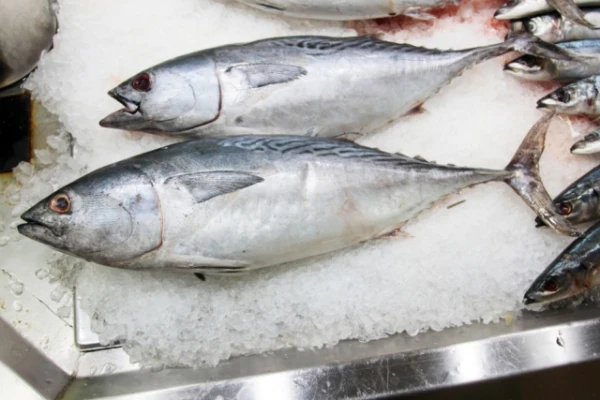
The Atlantic bluefin tuna, known for its impressive mass and position at the top of the marine food chain, often contains mercury, raising concerns among consumers. However, not all mercury in fish is equally dangerous — much depends on its chemical form.
Researchers from CNRS and other institutions used high-resolution X-ray spectroscopy to determine how mercury is distributed in tuna tissues. In the fish's meat, a significant portion of mercury is bound to selenoprotein in the form of tetra-selenolate complexes Hg(Sec)4, which reduces its toxicity. In the spleen, some mercury is converted into inorganic mercury selenide — a less reactive compound.
Unlike many marine mammals that detoxify methylmercury in the liver, tuna does this in the spleen. Such mechanisms influence the distribution and toxicity of mercury in the body.
Selenium, an important micronutrient, plays a key role in binding mercury and facilitating its detoxification. Therefore, the overall level of mercury in fish does not always reflect the actual danger: it is much more important to measure specifically methylmercury.
These data emphasize the need to consider different forms of mercury when assessing risk and informing consumers, especially those who regularly consume seafood.














Leave a comment