This week, new rules for the reception, registration, and deportation of migrants came into effect in the European Union.
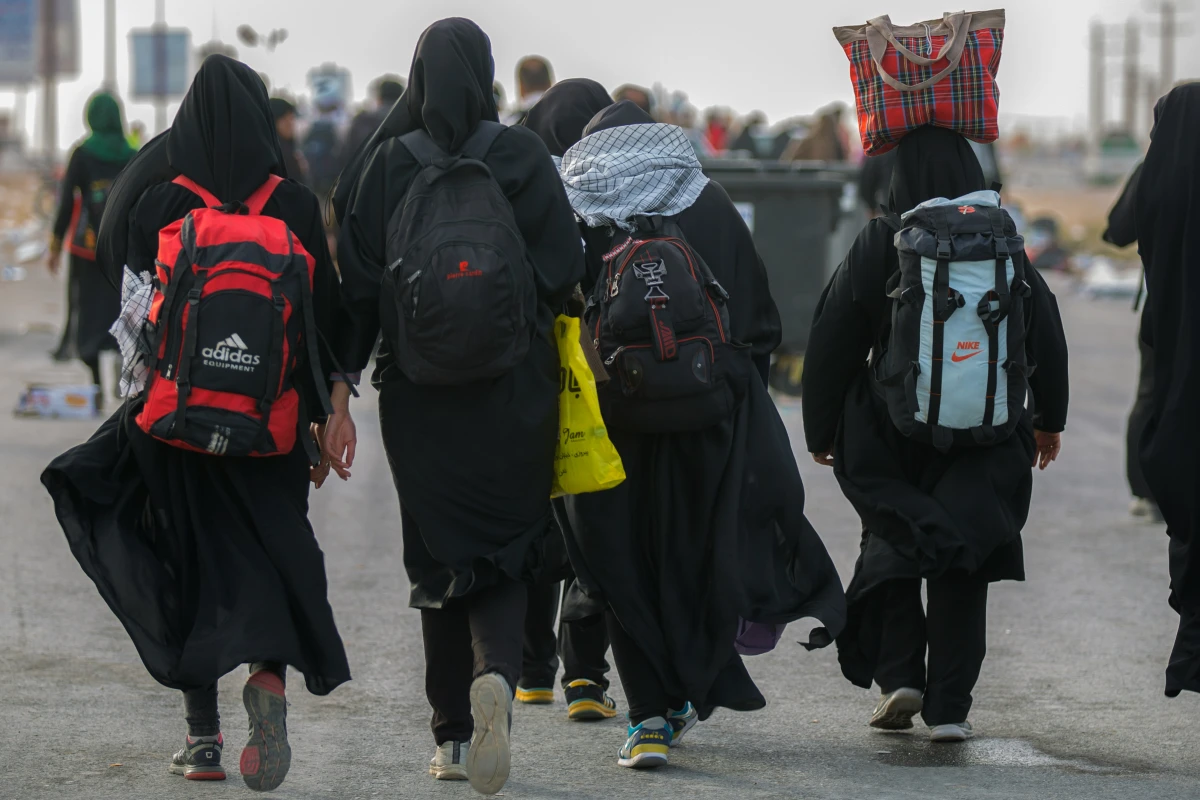
According to European statistics, only one in five migrants who received a deportation order voluntarily leaves the territory of the EU. As a possible solution, the European Commission proposes to create special return centers outside the European Union. However, there is no consensus among lawmakers on whether such a measure aligns with European values.
Overloaded Reception Centers
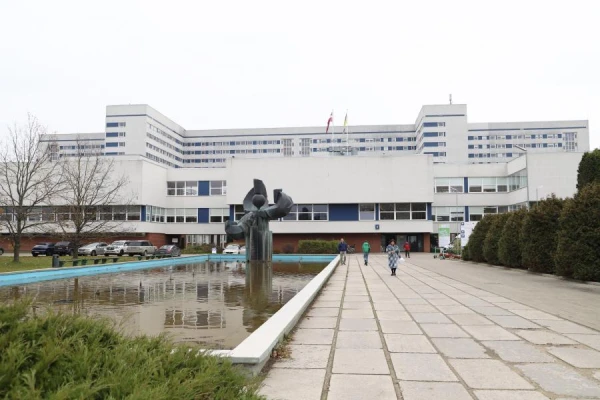
The Latvian asylum seeker reception center "Mucenieki" currently houses about 450 foreigners. Due to a lack of space, sleeping areas have even been set up in service rooms. Typically, migrants spend here from six months to a year — the time required by the Office of Citizenship and Migration Affairs to process their applications. Since the beginning of the year, the agency has received 593 asylum applications.
Political refugees, as well as individuals facing persecution in their home countries for religious, ethnic, or other reasons, can apply for asylum. European legislation requires that each application be considered individually, and deportation is not possible until the procedure is completed.
What Will Change
After eight years of negotiations, in 2024, EU countries agreed on a new Pact on Migration and Asylum, which includes ten legislative acts. States were given a two-year transition period to prepare for the reform, which ended this week.
According to the new rules, initial checks, registration, and identification of migrants at the border or after detention within the country should not take more than seven days.
Unified criteria for granting asylum and a unified migrant registration system are also being introduced. This will allow tracking whether a person has applied in another EU country and prevent multiple applications in several states simultaneously.
Not All Countries Are Ready
Despite the two-year transition period, not all states have managed to prepare for the implementation of the new rules.
According to the European Commission's interim report in May, one month before the reform came into effect, nine EU countries had not yet begun testing new migrant screening procedures.
Eleven states urgently needed to increase the capacities of migration services and reception centers, while some had not managed to make the necessary changes to national legislation.
Latvia's Minister of the Interior Janis Dombrova stated that the country continues to implement the necessary mechanisms based on its own national interests and sees no signs of a deliberate delay in the process.
Latvia has yet to adopt a new asylum law that should align national procedures with European requirements. Additionally, the equipping of a new migrant reception center in the village of Rauda is not yet complete. At the same time, electronic systems have already been tested and are ready for operation.
The European Commission currently does not intend to impose sanctions on states that have not fully prepared for the reform. According to Brussels representatives, existing delays do not hinder the practical implementation of the new rules.
The Deportation Problem Remains Unresolved
According to Eurostat data, last year EU countries issued nearly half a million deportation orders, but only 27% of foreigners who received such decisions left the bloc's territory.
One of the reasons for the low effectiveness of deportations is the lack of documents among migrants or the inability to establish their country of origin. As a result, many remain in the EU even after being denied asylum.
To address this issue, the European Commission proposed a new Return Regulation. The document provides for unified rules for the deportation of third-country nationals and expands the powers of states for forced removal.
Additionally, the possibility of creating special return centers outside the European Union for individuals whose identification is difficult is being considered. Opponents of the initiative fear that the new measures reflect the growing influence of right-wing and far-right political forces and may contradict the humanitarian principles of the EU.
Solidarity Mechanism
The new rules also introduce a solidarity mechanism among member states. If one country faces an excessive influx of migrants, other states will have to help — either by accepting part of the asylum seekers or providing financial support.
Brussels hopes that the updated system will allow for a more even distribution of the burden among states and make the EU's migration policy more effective and predictable.