The most important thing now is to restore normal power supply.
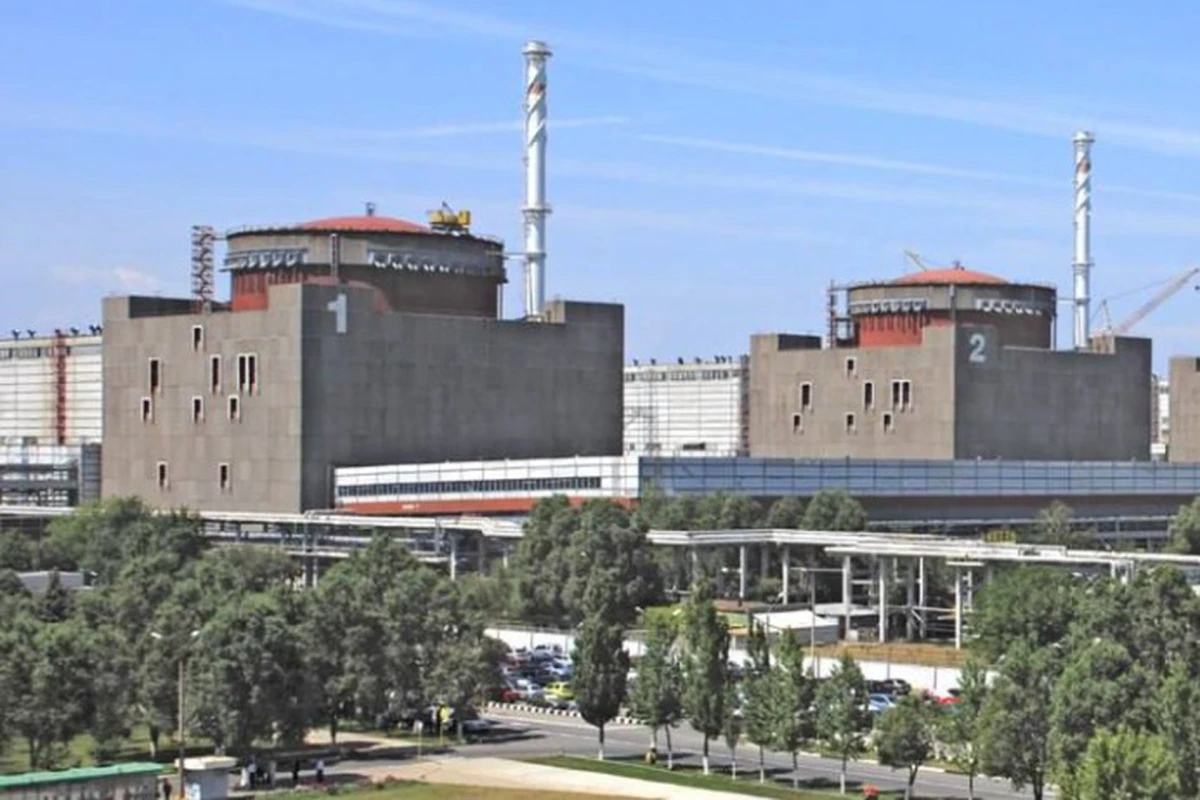
For several days now, the Zaporizhzhia Nuclear Power Plant, part of Rosatom, has been completely de-energized, the plant's press service reported on its Telegram channel. This occurred due to the high-voltage power line "Ferroalloy-1," which supplies the plant's own needs, being disconnected by automatic action on the evening of June 10.
As a result, the power units of the Zaporizhzhia NPP were switched to backup diesel generators. "The equipment operated normally, and no violations in safety systems were recorded," emphasized the Zaporizhzhia NPP.
They assured that the radiation background at the Zaporizhzhia NPP site and in the observation zone is within natural values and does not exceed established norms.
The Zaporizhzhia NPP is the largest in Europe by installed capacity. The Russian Ministry of Defense announced its capture on February 28, 2022, four days after the start of the "military special operation" in Ukraine. Since September 11, 2022, the Zaporizhzhia NPP has not been generating electricity — all six of its reactors are shut down and in "cold shutdown" mode. Maintaining this mode requires constant cooling and stable electricity supply for the operation of pumps and control systems.
A nuclear explosion at the Zaporizhzhia NPP is physically impossible, as reactors of this type cannot detonate like an atomic bomb. However, due to military actions, there is a high risk of a radiation accident: damage to power units or cooling systems could lead to a large-scale release of radioactive substances.
What Could Happen?
Overheating and destruction of fuel. The reactors at the Zaporizhzhia NPP are shut down, but nuclear fuel requires constant cooling.
Loss of power (for example, a blackout on backup diesel generators) could lead to the melting of the active zone.
Hydrogen explosion: When zirconium cladding of heat-generating elements overheats, hydrogen is released, the explosion of which could damage the reactor's protective shell.
Why Is This Not a "New Chernobyl"?
VVER-1000 Reactors. Unlike the Chernobyl Nuclear Power Plant (which used RBMK reactors without a protective containment), the Zaporizhzhia NPP is equipped with water-water energy reactors. They are equipped with a powerful airtight reinforced concrete shell (containment) designed to withstand external and internal loads.
Absence of open combustion. In VVER reactors, ordinary water is used as a moderator and coolant, so after their shutdown, there is no risk of extensive graphite fire. Nevertheless, in the event of damage to reactor installations or spent nuclear fuel storage, radioactive contamination could affect vast areas.
<iframe width="560" height="315" src="https://www.youtube.com/embed/GZYOlDosJk8?si=iFYnqLp2X3DZJIDU" title="YouTube video player" frameborder="0" allow="accelerometer; autoplay; clipboard-write; encrypted-media; gyroscope; picture-in-picture; web-share" referrerpolicy="strict-origin-when-cross-origin" allowfullscreen></iframe>