
They generally do not show aggression and rarely pose a direct threat to humans.
An invasive species of lizards that can carry parasites and dangerous bacteria, including salmonella, is spreading in Georgia, CBS News reports. Their high reproductive rate allows these reptiles to quickly increase in number and displace local wildlife — they have already formed a stable population in Tattnall and Toombs counties.
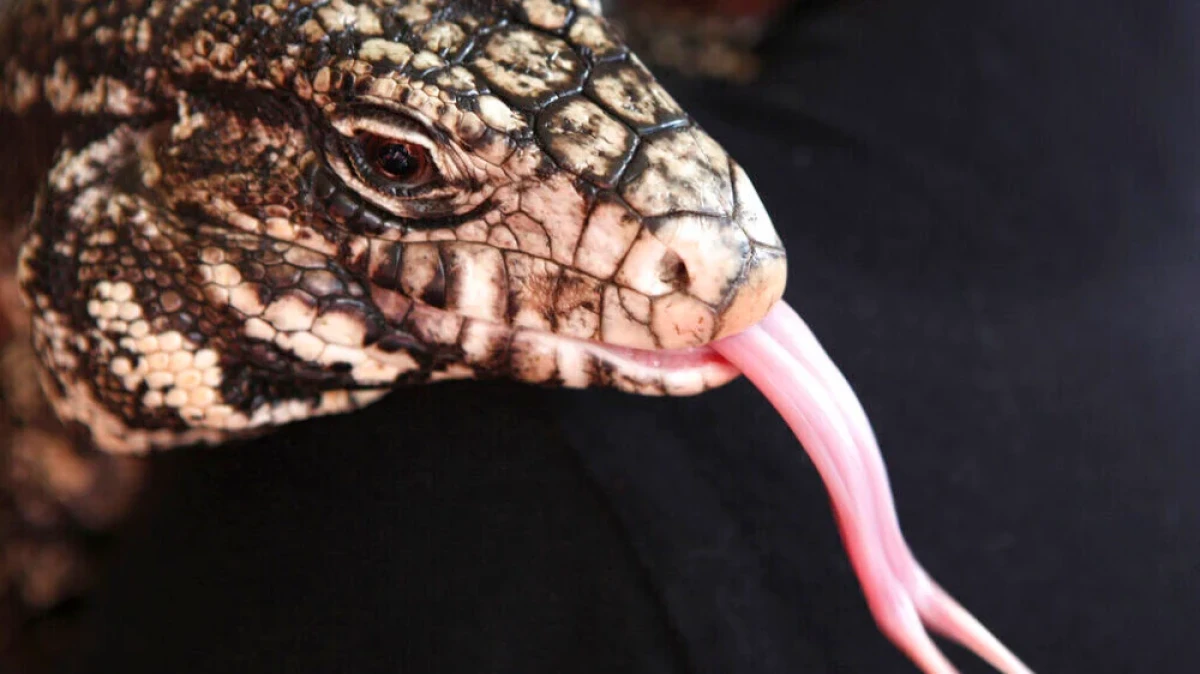
The species in question is the Argentine black and white tegu (Salvator merianae), which is native to South America. Adult individuals have black or dark gray coloring with white stripes on their back and tail. They can reach lengths of up to 1.2 m (4 feet) and weigh over 4.5 kg (more than 10 pounds). Hatchlings, measuring about 15-20 cm (6-8 inches), are characterized by their bright green head color, which fades approximately one month after birth.
Tegus are diurnal, highly mobile, good swimmers, and can stay underwater for extended periods. The Georgia Department of Natural Resources began investigating the first sightings of these reptiles in the state back in 2018, but since then, their population has significantly increased.
It is still unclear how the animals ended up in the U.S., but experts believe the most likely cause is the exotic pet trade. The natural habitat of these lizards includes Argentina, Uruguay, Paraguay, and Brazil.
As of December 2023, Argentine black and white tegus have officially been classified as wildlife in Georgia — the importation and breeding of these lizards in the state is prohibited by law. They can only be kept as pets by owners who registered and microchipped their animals before the new regulations came into effect.
The department has been implementing a capture and euthanasia program since 2022; however, there have been at least 56 reported sightings of these reptiles in Georgia recently, notes the Savannah Morning News.
What is the danger of their spread?
Argentine tegus pose a serious threat to local wildlife. They eat the eggs of ground-nesting birds, including quails and wild turkeys, as well as the eggs of other reptiles — such as American alligators and rare gopher tortoises. Their diet does not stop there — tegus also consume fruits and vegetables, various plants, pet food, carrion, and small animals.
There are also concerns that tegus may carry parasites and bacteria that can harm agricultural crops. The situation is exacerbated by the absence of natural predators for tegus in Georgia and their high fertility rate. A single female can lay up to 35 eggs each year. Offspring typically appear in the summer — in June and July, so residents of the state may encounter these reptiles in the wild in the coming months.
Although Argentine black and white tegus generally do not show aggression and rarely pose a direct threat to humans, experts recommend avoiding direct contact. If lizards are spotted, they should be reported to the Georgia Department of Natural Resources, and individuals should not attempt to catch the animals themselves.
Residents of Tattnall and Toombs counties are advised not to leave pet food outside, to fill in burrows and other potential hiding places, and to remove piles of branches and debris from their properties that could serve as shelter for tegus.
Experts warn that without effective control measures, this invasive species will continue to spread throughout the Southeastern U.S. In recent years, sightings of the Argentine black and white tegu have also been reported in Florida, Alabama, South Carolina, and Texas.















Leave a comment