Latvia's participation in the common electricity market of Northern Europe and the Baltics helped mitigate the effects of rising energy prices caused by the crisis in the Middle East. This conclusion was made by Beata Javorčik, the chief economist of the EBRD.
Latvia has been better protected from another spike in energy prices due to its integration into the common electricity market of Northern Europe and the Baltics. This was stated in an interview with the LETA agency by Beata Javorčik, the chief economist of the European Bank for Reconstruction and Development.
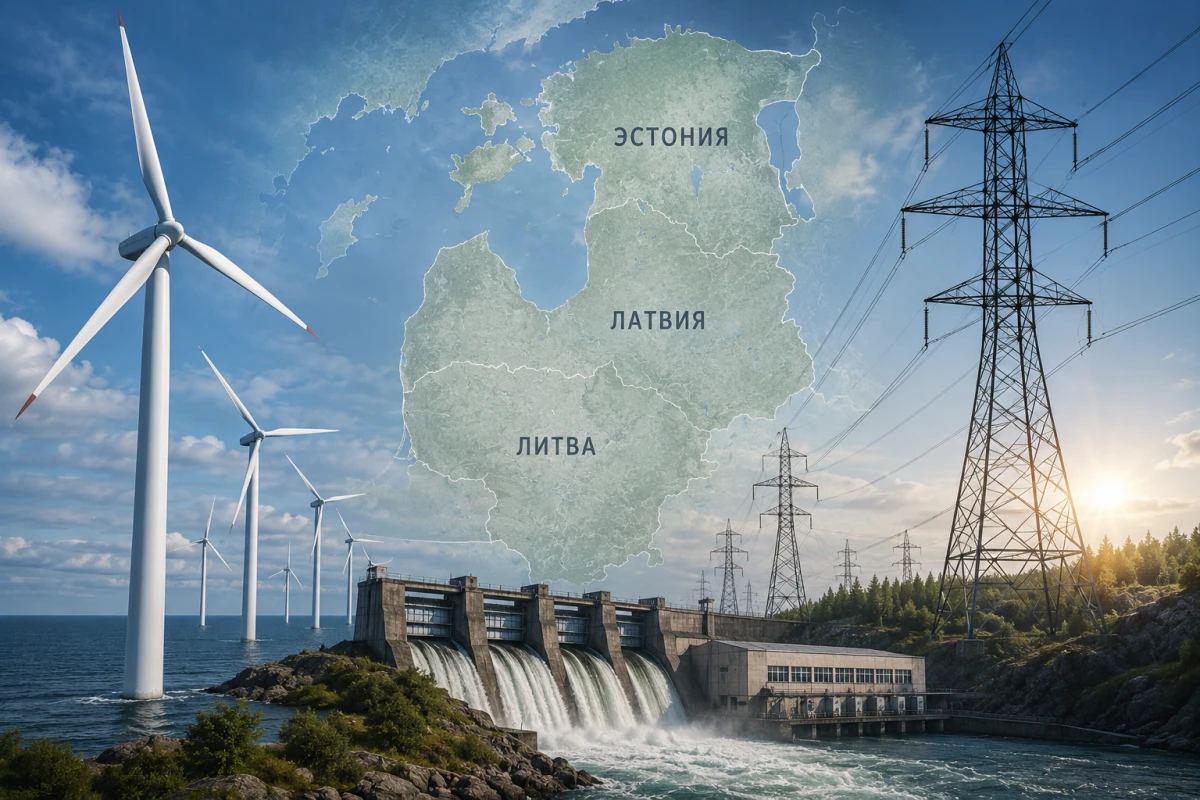
According to her, in the regional market, the cost of electricity largely depends on the production of hydropower, nuclear, and wind generation in northern countries, rather than solely on natural gas prices. This is why the consequences of the energy shock caused by the crisis in the Middle East have been less painful for Latvia and Estonia.
The situation in Lithuania is somewhat different. There, gas generation still plays a more significant role in electricity production, so the rise in gas prices is reflected more quickly in electricity bills.
Javorčik noted that the current rise in prices in Europe is still significant compared to the pre-crisis period. However, the situation is markedly different from the energy crisis of 2022.
At that time, several negative factors coincided simultaneously: a lower share of renewable energy, a lack of water for hydropower plants in Northern Europe, and reduced output at some French nuclear power plants due to maintenance.
Therefore, the current crisis has been significantly less severe.
For ordinary consumers, this means that the connection between gas prices and electricity costs has weakened compared to a few years ago. This reduces the risk of sharp tariff spikes during future shocks in global energy markets.
The economist also pointed out that the Baltic countries have significantly changed their attitude towards renewable energy sources in recent years. If previously the development of green energy was often seen as a fulfillment of Brussels' requirements, it is now increasingly viewed as a matter of national security.
According to Javorčik, energy independence is becoming not only an environmental or economic goal but also an element of protection against external crises. She believes that further development of renewable energy and participation in the regional market remain the right direction for the Baltic countries.
At the same time, the economist reminded that electricity prices in Europe are still significantly higher than in the United States, and it is currently impossible to quickly resolve this issue.
Nevertheless, the experience of recent years shows that closer integration of energy markets helps mitigate the effects of global crises and makes energy supply more resilient.