Despite the unfavorable background, the capital remains the place for the largest real estate investments, while the outskirts of Riga are gaining priority development status.
Support for New Construction
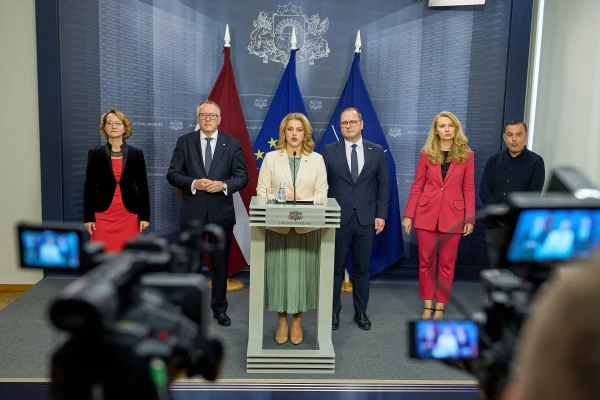
"The overall movement towards achieving goals and performance indicators is positive; however... differences have emerged, including in regional terms, in the progress of their achievement," stated the Ministry of Economics regarding the implementation of the Main Directions for Housing Accessibility until 2027. Out of the approved 32 development directions, 17 have been completed. According to the assessment presented by Acting Minister of Economics Viktor Valainis (Union of Greens and Farmers), external factors have significantly impacted housing accessibility in the country:
– Rapid inflation growth in 2022-23 and its impact on household budgets;
– Increase in EURIBOR rates, which has raised the burden of mortgage loans;
– Significant rise in construction costs, increasing the expenses for building new homes and renovating existing housing stock.
Nevertheless, the priority across the republic remains the construction of social housing — in this segment, it is planned to deliver 1,952 apartments by 2029. Projects for 672 low-rent apartments have been approved — for both municipal and private developers. The state provides a housing subsidy called Balsts (Support).
The Ministry of Climate and Energy considers the experience of the municipalities of Olaine, Valki, and Saulkrasti in restoring the housing stock, with energy efficiency measures for apartment buildings, to be particularly valuable.
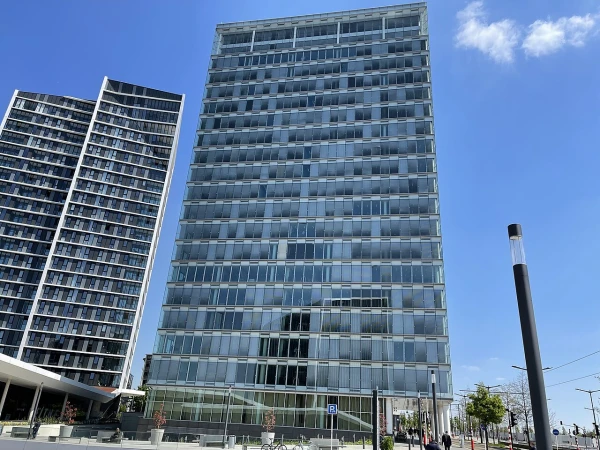
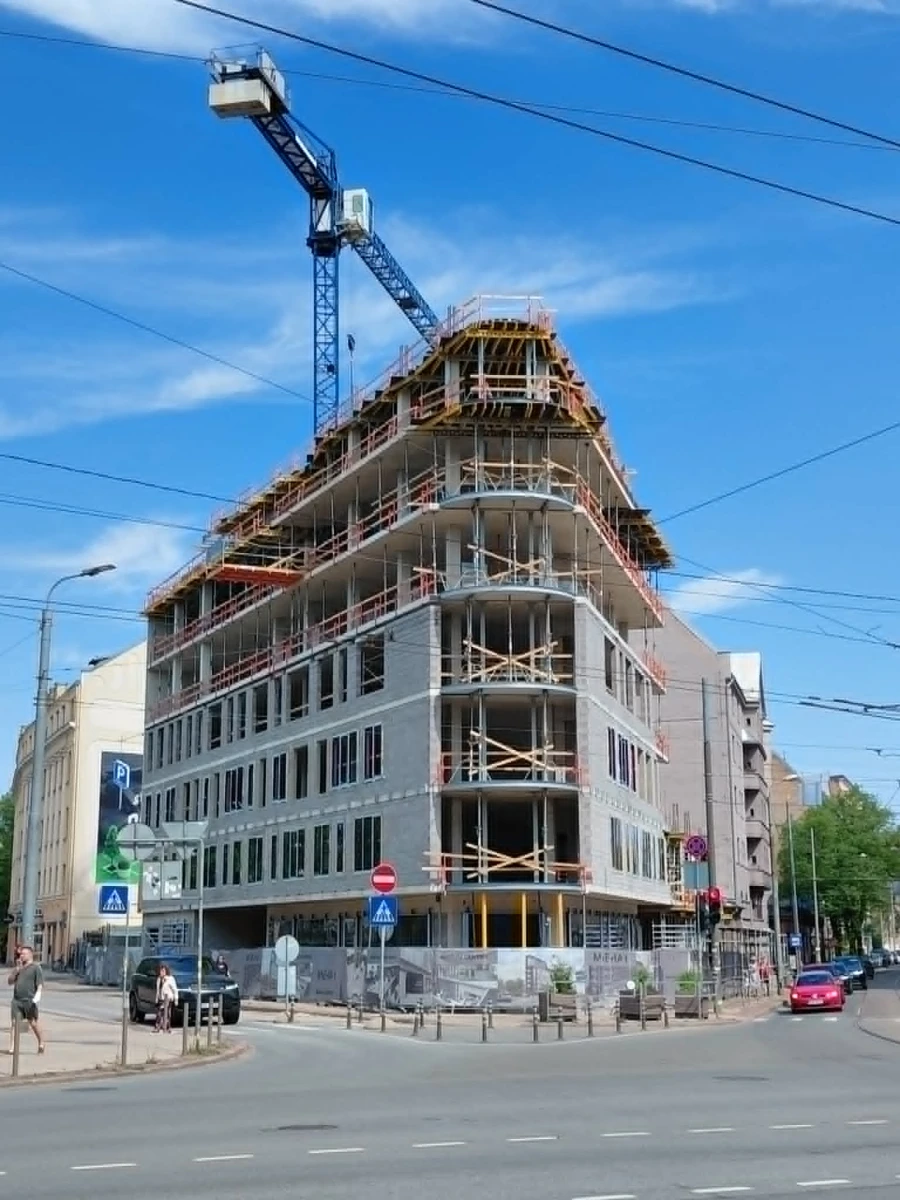
Last week, the Riga City Council summarized the results of construction in the past year: the largest investments in 2025 were made in the segment of multi-apartment residential buildings, amounting to €109.6 million. Over the past four years, 610 buildings (including new and reconstructed) have been put into operation, with 158 of them completed in 2025.
In the last four years, the number of buildings commissioned has been roughly the same — an average of 150 per year, although the dynamics of expenditures have fluctuated significantly. A sharp increase in expenditures occurred in 2023, attributed to high prices for construction materials and energy resources in previous years, the impact of inflation, and the fact that projects completed in 2023 were initiated during the most expensive period of construction.
The geography of construction is polycentric, stretching from Kengarags to Bolderaja, but most notably in Zadvina — from Ilguciems in the north to Ziepniekkalns in the south.
To Have a Place to Store
In second place in terms of investment volume is the category of warehouse and similar structures, with €91.4 million, while €78.1 million has been invested in the industrial building segment.
The segment of private houses also shows significant growth — since 2020, 792 private houses have been commissioned, 294 of which were completed in 2025. In this segment, investments last year amounted to €36.4 million.
In the segments of offices, public services, and commercial buildings, activity was comparatively lower last year. The implementation cost in the category of office buildings reached €18.9 million, with €12.4 million invested in public service buildings, and investments in wholesale and retail trade buildings amounted to €4.2 million.