The Council for Cooperation of Agricultural Organizations of Latvia stated that a technical government will not be able to fully ensure the operation of the Ministry of Agriculture. The sector fears that the political crisis coincided with critically important negotiations regarding future funding for agriculture in the EU.
Latvian farmers' organizations are warning that the prolonged political crisis could seriously complicate the protection of Latvia's agricultural interests in Europe.
The Council for Cooperation of Agricultural Organizations (CCAO) stated that a technical government will not be able to fully manage the Ministry of Agriculture at a time when the sector needs quick and strategic decisions.
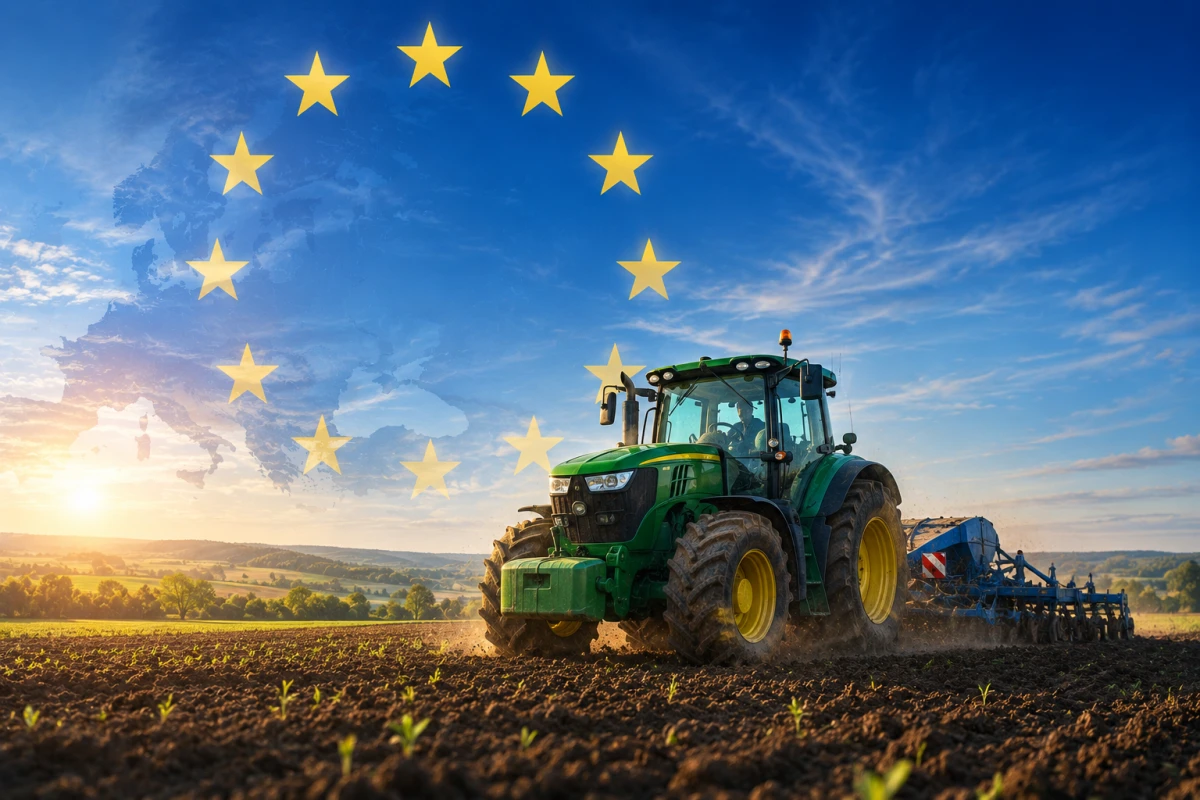
The organization emphasizes that discussions are currently underway at the European Union level regarding a new multiannual budget and the future Common Agricultural Policy of the EU.
The volume of support for Latvian farmers and the development of the food industry for years to come will largely depend on these decisions.
In fact, the agricultural sector fears that against the backdrop of the internal political crisis, Latvia may lose influence in negotiations regarding the allocation of European funds.
The CCAO believes that the sector needs a full-fledged Minister of Agriculture who can immediately engage in work and represent the interests of farmers both domestically and in Brussels.
The organization has called on the parties of the Saeima to reach an agreement on a new government as soon as possible and to nominate a candidate ready to take responsibility for the sector.
Additional tension is created by the fact that the crisis in the Ministry of Agriculture is linked to a high-profile criminal case.
Earlier, Prime Minister Evika Silina dismissed Minister of Agriculture Armands Krauze, stating that she could not "tolerate even a shadow of suspicion" regarding ministers.
On the same day, the KNAB and the prosecutor's office conducted extensive procedural actions in a case concerning possible abuses in providing support to wood processing enterprises.
The list of individuals involved in the investigation included high-ranking officials, leaders of Latvijas valsts meži, representatives of the wood processing industry, and Krauze himself.
The investigation concerns decisions on price adjustments in long-term contracts with LVM and possible illegal provision of support to forestry enterprises.
Against this backdrop, issues of agriculture, the forestry sector, and the allocation of European funds have effectively found themselves at the center of the largest political and economic crisis in recent years.
The CCAO specifically emphasizes that the sector currently needs not a temporary management model, but full political leadership capable of making decisions and negotiating at the European level.
For farmers, this is especially important right now — during a period when the EU is discussing the rules and volumes of support for the coming years.