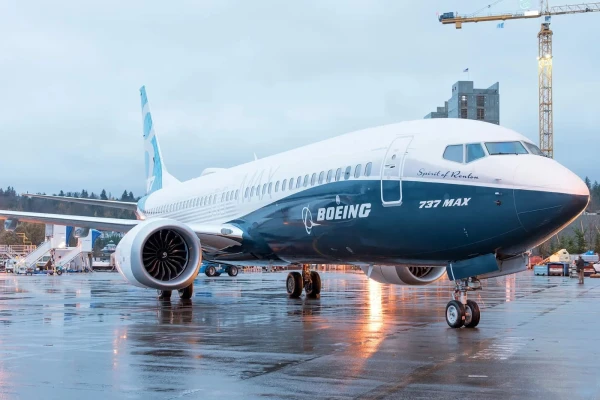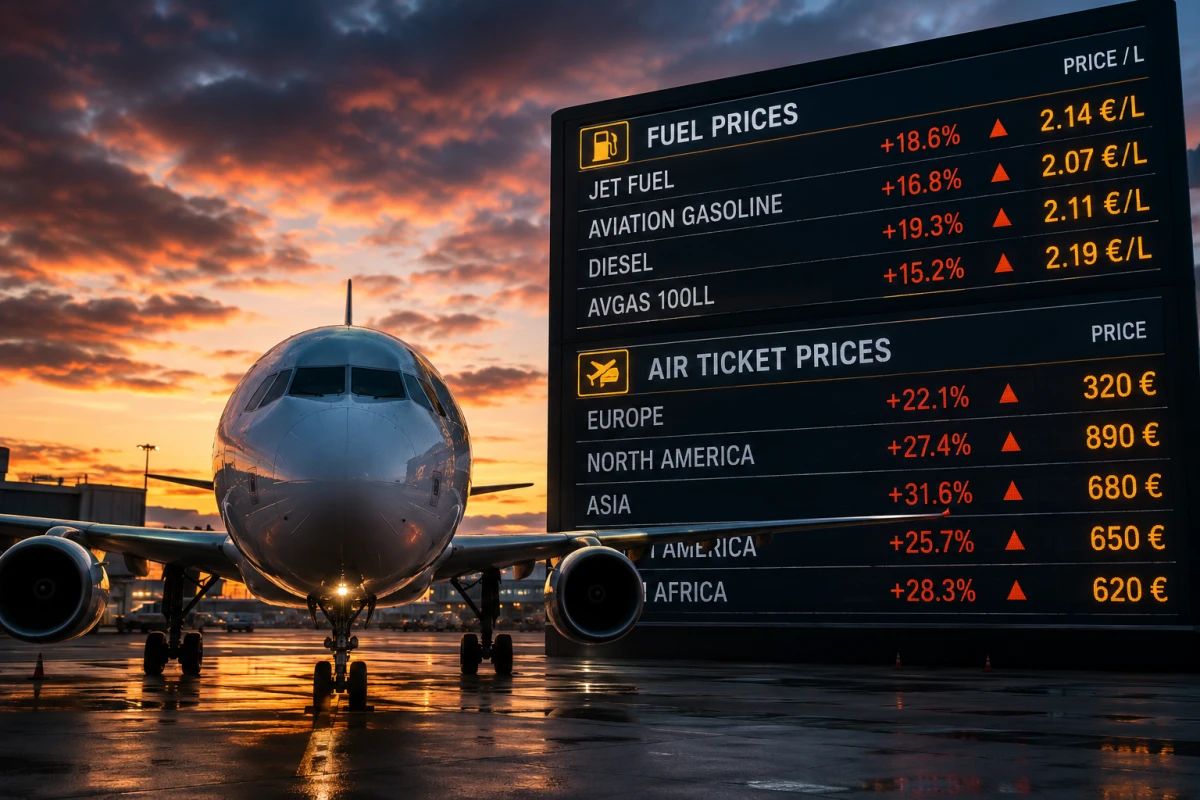
The European Commission has issued recommendations for airlines and the tourism sector amid the crisis in the Middle East and rising aviation fuel prices. The EU emphasizes that the increase in fuel prices alone is not considered an extraordinary circumstance and does not cancel passengers' rights to compensation.
The European Commission decided to remind airlines and passengers of the rules amid rising aviation fuel prices and supply instability due to the crisis in the Middle East, writes LETA, citing Latvijas Avīze.
Although Brussels acknowledges the risk of disruptions and possible flight delays, the EU emphasizes that high fuel costs are not considered an extraordinary circumstance that automatically exempts carriers from compensating passengers.
In recommendations published on May 8 for the transport and tourism sector, the European Commission notes that the overall situation remains stable for now and there are no signs of a physical fuel shortage at present.
However, authorities admit possible problems with the supply of aviation fuel, which could lead to delays, flight cancellations, and further increases in ticket prices.
For passengers, this means that even in crisis conditions, airlines are still required to comply with European customer protection rules.
In the event of flight cancellations, travelers retain the right to refunds, itinerary changes, airport assistance, and last-minute cancellation compensation.
Carriers can only be exempted from compensation if they can prove that the cancellation occurred due to genuinely extraordinary circumstances — for example, a physical fuel shortage.
Simply rising kerosene prices in the EU are considered a predictable business risk.
In fact, the European Commission made it clear: the increase in fuel prices is a problem for airlines, not a reason to automatically shift all consequences onto passengers.
At the same time, airlines can still offset rising costs through more expensive tickets.
This is already happening in the tourism market.
Representatives of the tourism industry note that price increase forecasts have come true: if earlier a flight could cost around 400 euros, now the price reaches 550 euros.
At the same time, the EU also reminds about pricing transparency.
Airlines are required to show passengers the full ticket price in advance and are not allowed to introduce additional fuel charges for already paid flights after the purchase.
The situation is different with travel packages: tour operators can increase the cost of previously booked trips by a maximum of 8%, but only if such an option is provided for in the contract in advance.
The Latvian Consumer Rights Protection Center emphasizes that the new recommendations do not change the rules but merely remind passengers of their existing rights in the event of a possible crisis in the air transport market.
Against the backdrop of ongoing instability in the Middle East, the issue of flight costs and the sustainability of air travel is likely to remain one of the key topics for this year's tourist season.