While residents are increasingly concerned about the expected rise in inflation, the anticipated expansion of the reduced value-added tax (VAT) rate on food products this summer may provide some support. However, the current fluctuations in raw material prices raise doubts about whether this reduction will fully reach consumers. The government plans to act similarly to the "Honest Euro Implementer" campaign.
A reduction in the VAT rate for a wider range of food products is expected this summer, but the question arises — how to ensure that this effect actually reaches consumers?
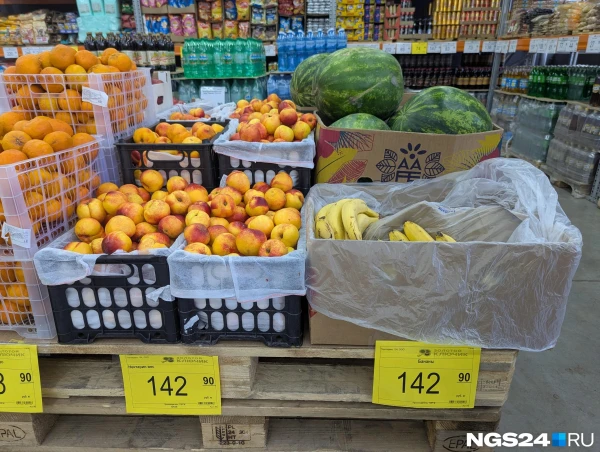
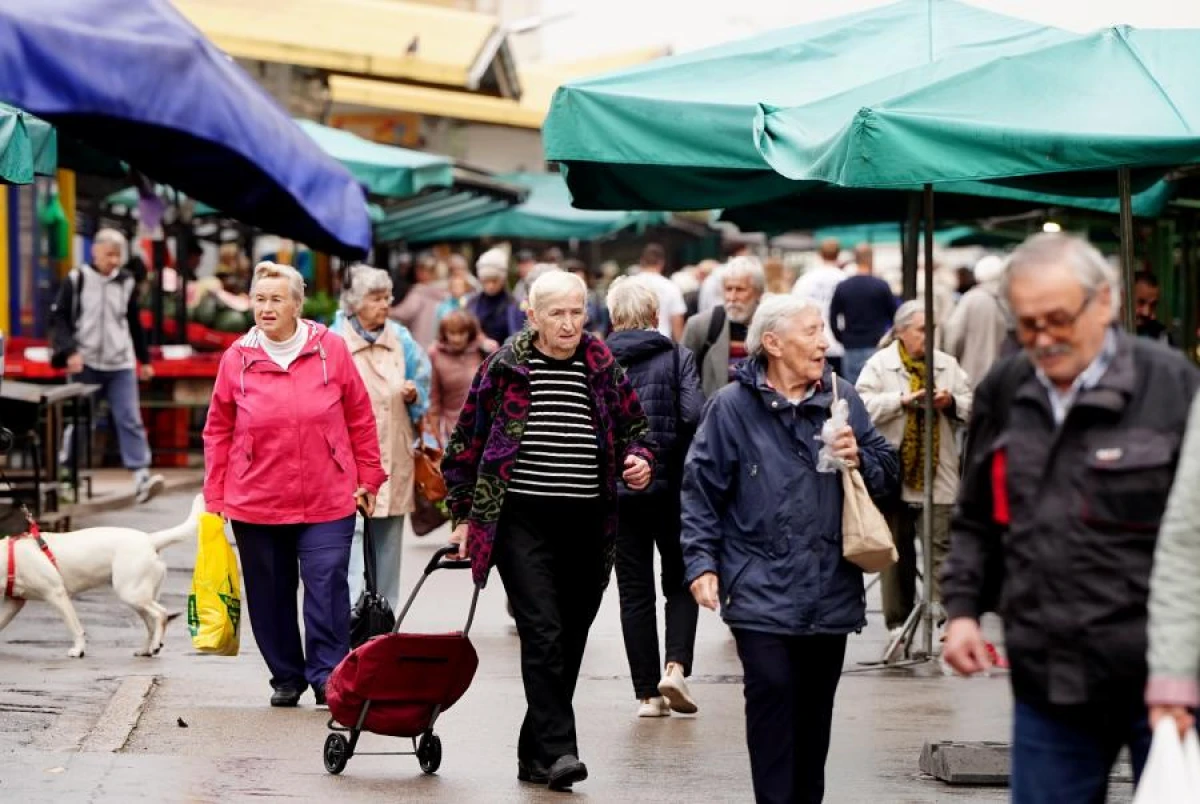
The rising cost of living, especially for food, has long been one of the main issues for Latvian households, reports TV3 News. Although we are far from the inflation levels observed a few years ago, when the rate reached nearly 30%, the consequences have not disappeared. All of this has accumulated and continues to be reflected in the price tags on store shelves.
This year, the topic of rising food prices remains relevant. The Competition Council conducted inspections at the largest retailers "Rimi" and "Maxima" and continues its investigation into suspected collusion between the two companies.
At the same time, the war in the Middle East is driving up the cost of fuel and fertilizers, which will inevitably affect food prices in the coming months, closer to autumn. A certain support may come from the expansion of the reduced VAT rate on bread, milk, poultry meat, and eggs, as provided in this year's state budget.
On Wednesday, the management of the "Rimi" chain announced the expected tax changes starting in July. The company promised to fully pass this reduction on to the final prices of goods in stores.
Valdis Turlais, Chairman of the Board of "Rimi Latvia," stated: "I really find it hard to imagine what exactly the Competition Council is investigating. I am confident that 'Rimi' has always been a very law-abiding company, and we have always set our prices in good faith."
Economists have often criticized the reduction of VAT on food as an ineffective tool. In the long term, the effect simply, metaphorically speaking, dissolves. Nevertheless, the political agreement to reduce VAT on food a few months before the Saeima elections was accompanied by an agreement for special monitoring to ensure that the benefits reach consumers. However, the current market upheavals complicate this task.
Karlis Purgailis, Chief Economist at "Citadele" Bank, noted: "Yes, the stronger the fluctuations, the harder it is to track and analyze the data. There is a risk that this benefit for consumers may partially disappear."
The Ministry of Economics is trying to reassure the public. A special monitoring plan and a specific memorandum to be signed by market participants are planned. Something similar was already implemented in the campaign "Honest Euro Implementer" during the transition to the euro more than ten years ago.
Economics Minister Viktors Valainis (SCP) stated: "Before this entire struggle for control over food prices, we did not analyze the data at all. Now the quality of data monitoring and the analytical capabilities of supervisory institutions have changed significantly."
The memorandum on the implementation of the reduced VAT rate is expected to be signed this month. It will also outline the control mechanisms.