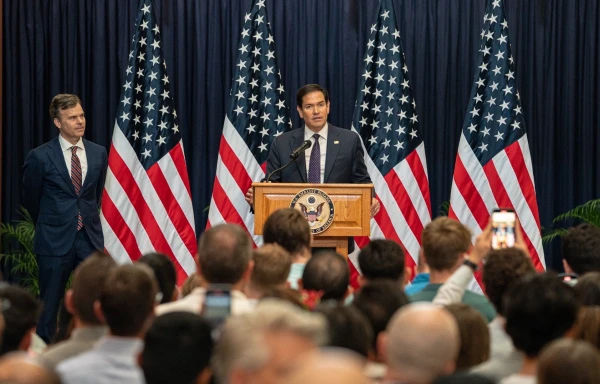
The international situation in the fuel industry is not improving, stated Minister of Economy Viktor Valainis.
On Tuesday, during a closed part of the meeting, the government reviewed the report from the Ministry of Economy on monitoring fuel prices on global exchanges and their impact on the economy of Latvia. After discussing the issue, Valainis noted that the international situation is not improving.
According to the minister, support measures were discussed in the government, as the economy needs assistance due to fuel prices. "The market will not regulate itself," Valainis emphasized in this regard.
The published fuel price monitoring by the Ministry of Economy states that the price of Brent crude oil increased by approximately 10.8% from April 21 to May 4, the price of ICE gasoil rose by 1.1%, while the price of aviation fuel in the Europe and CIS region decreased by 4.4%. At the same time, the market remains sensitive to events in the Middle East.
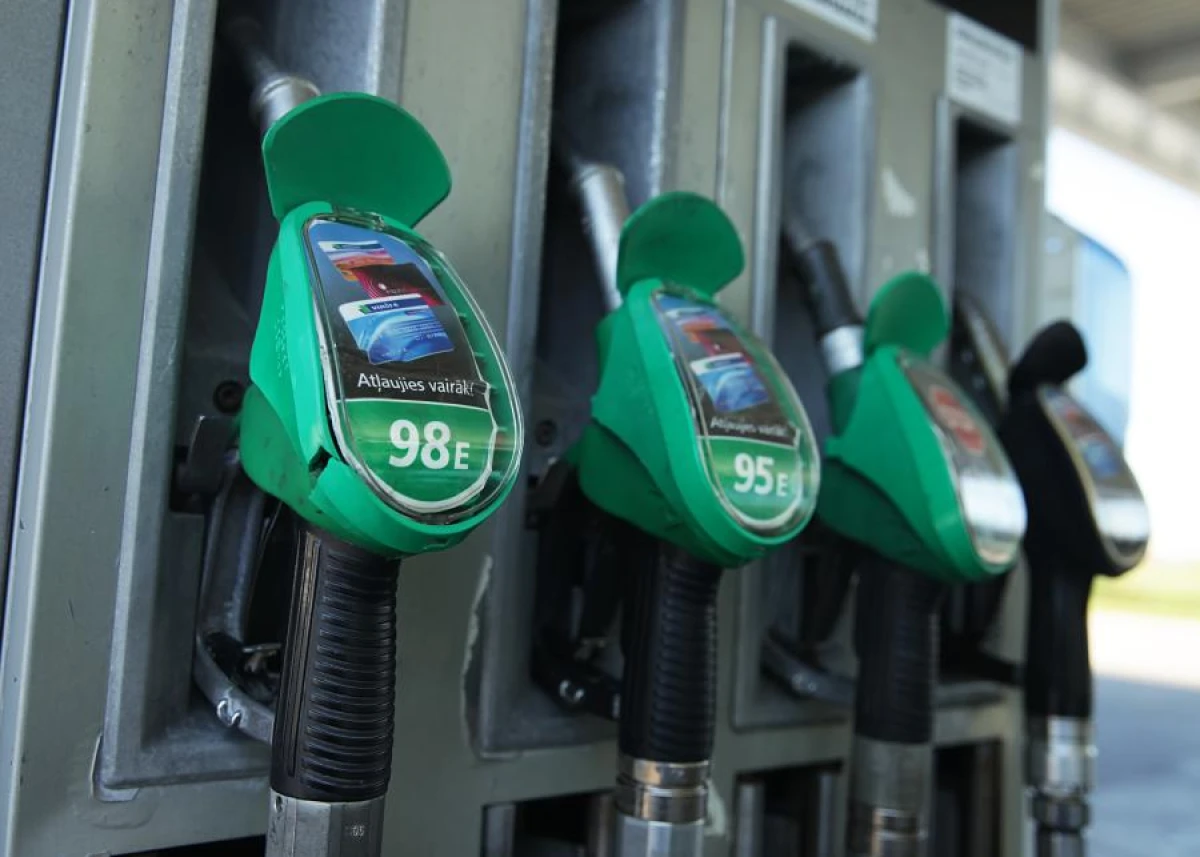
Meanwhile, from April 21 to May 4, diesel prices at gas stations in Latvia stabilized overall, while gasoline prices in some networks rose again. This indicates that the dynamics of retail prices have become more uneven and no longer strictly follow the previous correction of exchange prices.
Additionally, the Ministry of Economy reports that during the week from April 20 to 26, the stocks of diesel fuel and 95-octane gasoline at warehouses increased, while their availability at gas stations slightly decreased. Supplies of aviation fuel to Latvia are not disrupted, although there remains caution in Europe regarding the stability of aviation fuel supplies.
As reported earlier, Valainis indicated that the government has a prepared report from the Ministry of Economy, which includes a number of measures to keep fuel prices at an approximate level of 1.80 euros per liter. Among the proposed solutions are a reduction in the value-added tax (VAT) on fuel, a refusal of biofuel blending, and a review or temporary suspension of other administrative requirements until the mentioned price level is reached.
At the same time, the minister emphasized the need for prompt solutions to influence fuel prices. He identified the application of a reduced VAT rate as a priority solution, as it is relatively easier to implement.
However, regarding this solution, various opinions were expressed in government discussions regarding its compliance with European regulations and the feasibility of such a measure in general.
It was also reported that on April 14, the government supported the Ministry of Economy's proposal to introduce a solidarity payment for fuel traders if their actual retail price exceeds the objectively calculated benchmark retail price by more than 3%.