The choice reflects uncertainty about how long the conflict in the Middle East will last
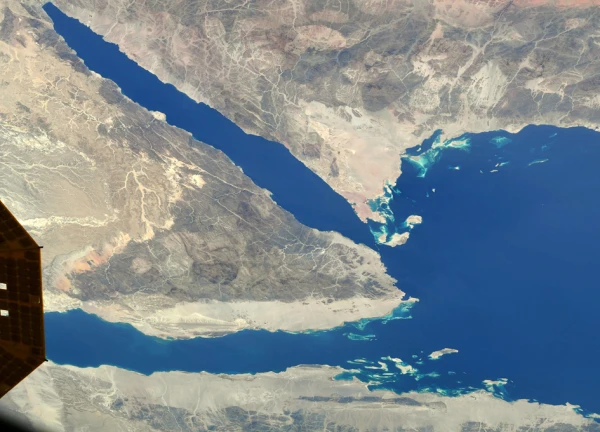
Saudi Arabia is providing its long-term oil purchasing clients the opportunity to receive their April quotas through the Yanbu port on the Red Sea, preparing for prolonged disruptions in the operation of the Strait of Hormuz. This was reported by Bloomberg.
According to traders informed by the state company Saudi Aramco, buyers who choose Yanbu will receive only part of their monthly supplies due to restrictions on the volume of oil that can be transported by the pipeline to the port. Another option is to receive oil from the Persian Gulf, but with the risk of being left without supply if the strait remains closed.
It is noted that Aramco, the world's largest oil exporter, shipped 7.2 million barrels of oil per day last month before Iran effectively blocked the Strait of Hormuz, most of which was exported through its terminals in the Persian Gulf at Ras Tanura and Juaymah. Saudi Arabia has a pipeline with a capacity of 5 million barrels per day running across the country to the Red Sea, although the export capacity in Yanbu may be less. Aramco declined to comment.
As is known, Saudi Arabia typically sells all its oil under long-term contracts, most of which go to Asia. Sinopec, the largest Chinese oil refinery, is cutting processing volumes by 10% to cope with the shortfall, while Japan has begun releasing oil from its national reserves.
The publication states that the choice reflects uncertainty about how long the conflict in the Middle East will last and when operations in the Strait of Hormuz may resume. Explanations from U.S. President Donald Trump regarding the reasons for the war lead allies and adversaries to doubt when he will attempt to end it, and even if he does, Iran shows little willingness to cooperate.
Traders stated that if the war continues, oil shipped to Yanbu and heading to Asia is likely to be sold on delivery terms, meaning Aramco will handle transportation logistics rather than under normal shipping terms, where clients arrange delivery themselves. According to them, the oil offered by refineries through Yanbu is only of the Arab Light grade.
It is reported that Aramco has been increasing supplies through Yanbu since the start of the war, which has now lasted for three weeks. The Saudi producer has also taken the unusual step of offering oil shipped from the port through spot tenders. However, it is now offering contractual supplies from the Red Sea terminal.
According to the publication, outside of Asia, some European refineries have reported receiving smaller contractual volumes of oil from Aramco. One major refiner did not receive any volumes for shipment next month, while another was allocated less than required.
It was previously reported that Saudi Arabia, the world's largest oil exporter, reduced oil production by 2 million barrels per day to about 8 million barrels per day due to the Middle Eastern conflict.
It is worth noting that oil flows through the Strait of Hormuz have collapsed amid escalating conflict in the Middle East. The main "energy artery" of the world has remained effectively blocked for two weeks. Although Iran has promised to allow tankers with Indian flags to pass, other ships are hesitant to cross the strait due to fears of Iranian attacks.
The International Energy Agency has reported an unprecedented disruption in global oil supplies due to the war in Iran.
<iframe width="560" height="315" src="https://www.youtube.com/embed/TvxcsMSSNpc?si=KMQLVITIVhPT4NjA" title="YouTube video player" frameborder="0" allow="accelerometer; autoplay; clipboard-write; encrypted-media; gyroscope; picture-in-picture; web-share" referrerpolicy="strict-origin-when-cross-origin" allowfullscreen></iframe>