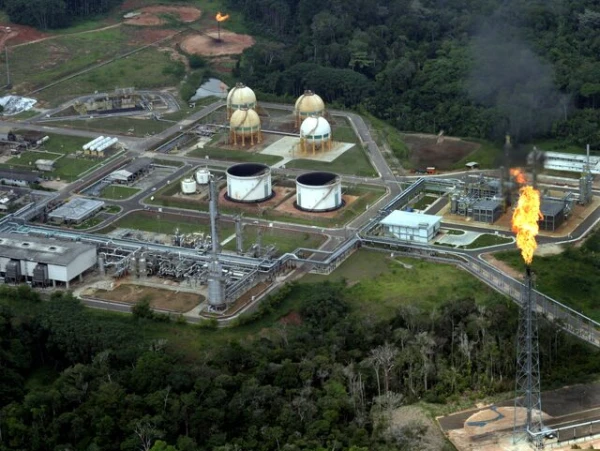
The infrastructure could serve as a foundation for deeper integration of Southern Hemisphere markets.
Brazilian President Luiz Inácio Lula da Silva stated that the country intends to increase natural gas production in Bolivia and boost imports of this fuel to the Brazilian market, linking these plans to a course towards deepening energy cooperation between the two countries.
According to reports, this statement was made after a meeting at the Palácio da Planalto in Brasília with Bolivian President Rodrigo Paz, who is on an official visit to Brazil. During the negotiations, the parties signed three cooperation agreements in the fields of energy, tourism, and joint efforts against transnational organized crime.
Lula emphasized that energy is one of the key strategic directions of bilateral relations. Against the backdrop of a global situation complicated by conflicts and risks to fuel supply stability, Bolivia, he said, remains a reliable partner and the main supplier of natural gas to Brazil.
The Brazilian leader added that he discussed with his Bolivian counterpart the possibility of expanding investments in the energy sector to increase gas export volumes to the Brazilian market. He reminded of the important role of the Brazil-Bolivia pipeline, which has contributed to the growth of industry in Brazil and the development of the Bolivian oil and gas sector for many years, and noted that this infrastructure could now serve as a foundation for deeper integration of the energy markets of Southern Hemisphere countries.
During the visit, an agreement was also signed to connect the electricity systems of the two countries by constructing a power line between the Bolivian province of Germán Busch in the Santa Cruz department and the Brazilian city of Corumbá in the state of Mato Grosso do Sul. According to Lula, this initiative will allow for more efficient use of the energy resources of both countries and provide electricity to areas that have so far relied on diesel generators.
In addition to the energy block, the presidents discussed issues related to the development of transport and other physical infrastructure, combating transnational crimes, as well as topics of trade, investment, migration, and consular interaction. For his part, Bolivian President Rodrigo Paz highlighted the significant potential for cooperation in the mining sector, emphasizing that the country has large reserves and a wide variety of mineral resources.