Despite calls to avoid any ties with aggressor countries, Latvia exported chrysanthemums worth 9.5 million euros to Russia last year, and roses and other flowers to Belarus for significant amounts. Against this backdrop, local producers complain about cheap imports, increased costs after a harsh winter, and the inability to raise prices.
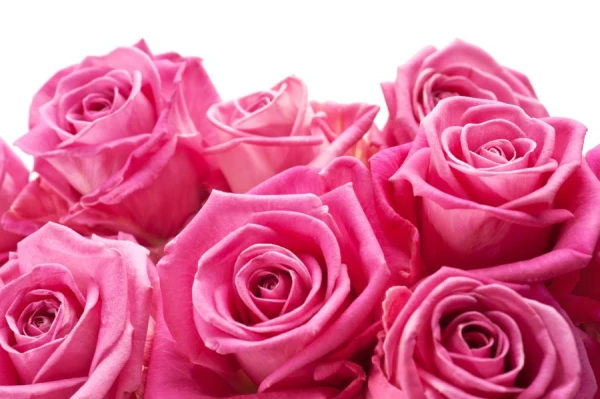
Last year, Latvia exported freshly cut chrysanthemums and buds to Russia worth 9.5 million euros. An even larger export occurred in 2023, when more than 13 million euros worth of these flowers were shipped to Russia. Meanwhile, Belarus became the fourth largest export country last year, where chrysanthemums were sold for more than 7,000 euros. In terms of the export of freshly cut roses, after Lithuania and Estonia, Russia and Belarus follow — their total value reached one and a half million euros last year, reports LSM.lv.
Experts explain that this mainly concerns re-export. Regulatory authorities do not disclose the names of the companies involved in this business. Meanwhile, the chairman of the Latvian Association of Seedling Producers, Andris Vitoliņš, said:
"Local producers are relatively weak, and I have not heard that they are engaged in export. I can't even say now who the major player is that deals with re-export. Maybe it’s some strange wholesale base..."
He noted that everyone is currently trying to avoid any cooperation with aggressor countries: "Therefore, I believe it is not very correct that someone is transporting something there. If it is some non-local company, then we can probably have little influence on it."
The Netherlands is the leader in rose imports — over the past two years, the annual import value has exceeded 10 million euros, which is a record figure. Also, the most chrysanthemums last year were imported from the Netherlands — for 5.6 million euros. Part of them was sold on the local market.
Currently, there are many cut flowers from Poland on the market, especially tulips. Their prices at wholesale flower bases are lower than those of local producers. The chairman of the Kliģeni farm, Aleksandrs Raubiško, explained how this affects the market:
"Import undoubtedly affects. It is definitely a lower price. I see that one tulip is being offered for 20 cents. We can't even imagine that we could sell at such a price."
Due to the harsh winter, costs have increased, but raising prices is impossible, explained Inta Rudenko from Grobiņas ziedi: "The winter was very tough, energy costs have risen significantly. As you know, there are usually not such harsh winters in the Liepāja area, but we gathered our strength and survived it... Prices cannot be raised significantly because people's purchasing power has not increased; all buyers have also seen their heating costs rise. But for summer seedlings and potted plants as a result, there will be an increase of about 10–15%."
The good news is that buyers want to purchase local flowers, Raubiško said: "Thanks to people's support, we can survive. Our product is not something that can be placed on shelves and waited for the moment it is needed. When our product is ready, it needs to be sold immediately."