Electric vehicles and energy storage require a mass of valuable mineral.
The Chinese company Ganfeng Lithium has completed its first export shipment of lithium chloride produced at the "Mariana" project in the Llullaillaco salt flat (Salta province) and dispatched the first batch from the final processing plant located in the General Güemes industrial park. This milestone marks the official beginning of the export phase of the project, which, in addition to mining in the Puna region, includes an industrial processing stage directly within the province.
According to operational details provided by the company and disseminated by industry press, the shipment consisted of 10 containers, each weighing 24 tons, totaling 240 tons of product. A distinctive feature was that customs inspection was conducted by customs authorities directly at the plant, allowing for the cargo to be prepared at the place of origin before shipment.
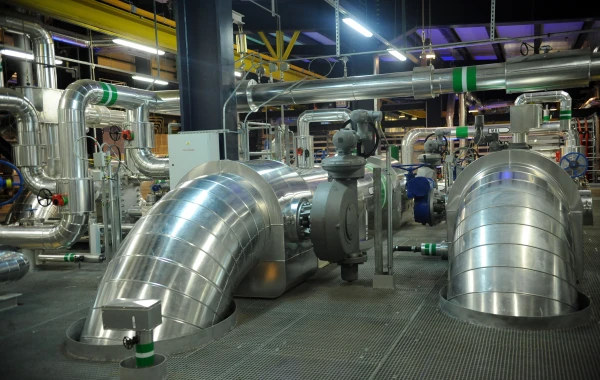
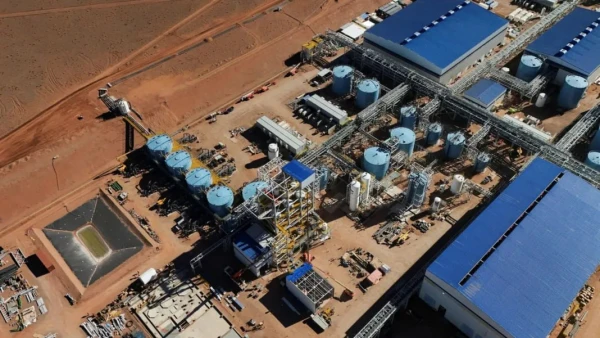
The production scheme combines mining and preliminary processing in the salt flat (using wells and ponds) and final refining in General Güemes, where high-purity lithium chloride is prepared for delivery to international markets. This "two-node" structure (Puna – industrial park) is positioned by the company as an advantage in terms of local integration and logistics.
Shipment to China with a Geoeconomic Signal
The cargo was sent to China, and its shipment occurs at a time when lithium has become a strategic raw material for value chains related to electric vehicles and energy storage. In addition to the initial volume, this signal indicates that the "Mariana" project already has a commercial outlet and logistical capabilities to support export shipments, utilizing combined transport, including rail connections from Güemes and engaging local carriers.
This achievement is complemented by a political and business agenda related to projects in Salta. It is reported that regional Ganfeng leaders held meetings with provincial authorities to review the progress and prospects of both the "Mariana" project and the "Posuelos-Pastos-Grandes" (PPG) project, within which investments, local suppliers, and production scales become indicators determining whether this first shipment will turn into a sustainable flow.
Now that the first batch is already on its way, the next chapter will focus on: the export rhythm that the project can ensure, the stability of logistics between Puna and Güemes, and the position that Salta will occupy in a market combining global energy demand, technological competition, and an intensifying struggle for control over critical supply chains.
<iframe width="560" height="315" src="https://www.youtube.com/embed/XhR_EyaobS8?si=nS7z-IKwOZ0ASBIp" title="YouTube video player" frameborder="0" allow="accelerometer; autoplay; clipboard-write; encrypted-media; gyroscope; picture-in-picture; web-share" referrerpolicy="strict-origin-when-cross-origin" allowfullscreen></iframe>