The year 2026 in retail is marked as a challenging period in Latvia, especially for small and medium-sized stores. Rising costs, tax changes, and increased administrative burdens create additional financial pressure, which inevitably affects the final prices of goods.
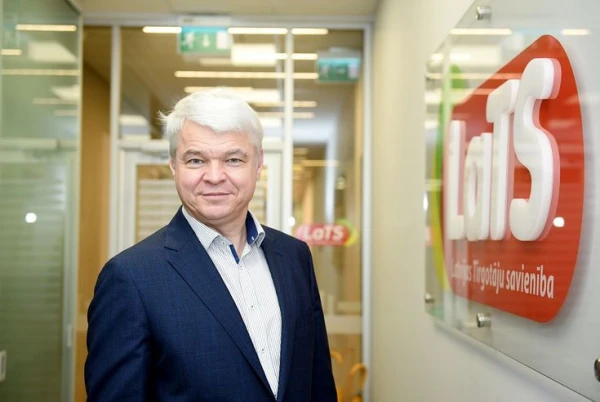
Large market players have broader resources to absorb rising costs; however, for smaller enterprises, every additional regulation and tax change is felt more acutely, emphasizes the chairman of the board of SIA "Latvijas Tirgotāju savienība" ("LаTS"), Raimonds Okmanis.
One of the most significant factors is the increase in excise tax on tobacco, which will accelerate in the coming years. Price increases raise the risk that customers will seek cheaper alternatives, including in the illegal market. This particularly affects small stores, where certain product groups account for a significant share of revenue. If the number of units sold decreases, the drop in turnover can become noticeable very quickly.
In addition to the tax burden, administrative requirements are also increasing—regulatory changes, updating prices in systems, reporting, control mechanisms, and other obligations that require both time and human resources. For small and medium-sized stores, this means additional expenses, as often these duties are performed by the same employees who handle daily trading. Thus, the administrative burden directly affects the profitability of the business and indirectly reflects on the prices of goods on the shelves.
"In such conditions, efficiency and cooperation play a crucial role. "LаTS" continues to develop centralized logistics to reduce the expense burden on network participants. Deliveries from a single warehouse help reduce administrative processes, optimize orders, and cut logistics costs. Additionally, temperature-controlled product delivery has been implemented, which expands the assortment and allows small stores to compete with the largest market players in the fresh goods segment as well," stated R. Okmanis regarding future plans.
At the same time, electronic commerce plays a significant role. The expansion of e-lаtts in Liepāja and a turnover increase of more than 50% after a competitor's exit show that digital solutions can be a significant support for small retailers. They help expand the customer base and provide an additional sales channel during a time when offline trading is constrained by price sensitivity and cautious spending.
Overall, 2026 will require careful cost control, a flexible approach, and the ability to collaborate in retail. For small and medium-sized stores, the challenges will be more pronounced than for larger market participants; however, with effective solutions and mutual support, it is possible to maintain competitiveness in a changing economic environment.
SIA "LаTS" was founded in 2007 with the aim of uniting small and medium-sized food retailers in Latvia, reducing costs, and increasing competitiveness. Currently, the network includes about 270 enterprises and has more than 700 physical retail outlets across Latvia.