
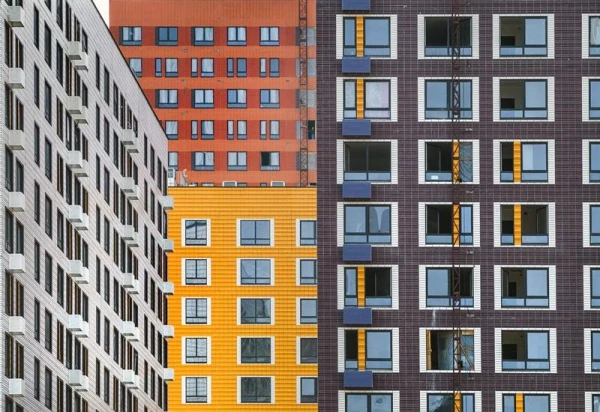
The cold winter has made many think about heating supply, heating costs, and the energy efficiency of housing, writes Diena.
In the European Union (EU), an average of 9% of residents are unable to maintain a sufficient level of warmth in their homes, according to data from Eurostat. In Latvia, this figure stands at 4.9%, and at least according to official statistics, the country is not among the EU outsiders.
In neighboring Estonia, the share of residents experiencing heating problems is even lower at 3.6%. Meanwhile, in the southern neighbor, Lithuania, the figure is significantly higher, reaching 18%. This is likely related to the high prevalence of living in private houses, especially in rural areas, where heating options vary significantly and are often limited.
The highest proportion of people unable to ensure a sufficient level of warmth at home is recorded in Bulgaria and Greece, both at 19%, while the lowest is in Finland (2.7%).
Although the data pertains to 2024, it clearly demonstrates general trends. The example of Finland shows that even in harsh climates, where temperatures in Lapland often drop below -40 degrees Celsius, effective solutions in construction, insulation, and heating can be found.
In the Latvian real estate market, it is noticeable that despite active advertising of the advantages of new buildings during the winter period, a significant portion of transactions still involves apartments in series-built houses from the second half of the 20th century. In Riga, in December 2025, only 8% of all transactions in the primary new construction market were concluded - the same as in October and November. In the previous months, this figure was higher, fluctuating between 9% and 15%, according to aggregated data from the real estate company Latio.
In January 2026, around 4,000 residential properties were put up for sale in Riga, of which 21% were apartments in series-built houses from the second half of the 20th century, while nearly 60% were apartments in new projects, reports Latio.












Leave a comment