
German agriculture will have to work for at least six months to overcome the shortage.
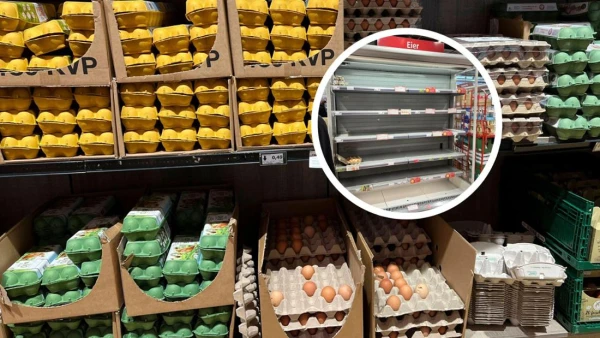
In recent weeks, shoppers in Germany have noticed a decreasing number of familiar egg packages. This is especially true for Kaufland supermarkets, where the selection has significantly shrunk and the egg shortage has become very noticeable.
The problem is systemic: three links have been disrupted — production, logistics, and demand.
Experts cite avian influenza (Geflügelpest) as the main cause of the crisis, which struck poultry farms in several regions of the country at the end of 2025. In Brandenburg, around 185,000 hens had to be culled due to an outbreak of the virus, while in Saxony, large enterprises were forced to reduce their flocks.
Additionally, the situation has been affected by New Year’s logistical delays and a 10% increase in demand over the past two years. All of this has led to empty supermarket shelves and a gradual rise in egg prices.
According to Deutsche Presse-Agentur (dpa), a quick recovery of supplies is not expected. A slight improvement may be possible in January; however, full recovery of production could take several months, warns echo24.
Export issues add further complexity: avian influenza has also flared up in Poland and the Netherlands, which traditionally supply eggs to Germany. As a result, the shortage is felt even in large chains, while regional stores may experience even more noticeable disruptions.
According to Bayerischer Rundfunk, the situation will remain "tense" at least until spring. Residents of Germany should consider that egg prices may rise in the coming months. The problem has primarily affected the eastern regions of Germany — Brandenburg and Saxony, where the main outbreaks of the disease have been recorded. However, according to representatives of retail chains, supply disruptions are felt throughout the country — from Berlin to Bavaria.
In some stores, there is a temporary absence of free-range (Freilandhaltung) and organic (Bio) eggs.
At the same time, basic categories remain on sale, although their selection is limited. Despite the alarming news, experts assure that there is no reason to panic. The issue is not a complete absence of products but rather temporary disruptions and a reduction in choice.
How to avoid inconveniences when buying eggs:
- Pay attention to alternative brands — even if it’s not the usual one;
- Choose other types of packaging — 6, 10, or 12 pieces;
- If possible, buy locally produced eggs;
- Check availability in different supermarkets — the selection may vary;
- Stay flexible: eggs from other categories are just as good as standard ones.
A flexible approach to shopping will help avoid empty shelves.
Why the Shortage May Last
Industry experts emphasize that the recovery of egg farms is a lengthy process. After the culling of birds due to avian influenza, not only disinfection and inspection of facilities are required, but also time to raise new flocks. This cycle takes between 3 to 6 months, depending on the size of the farm and the conditions of keeping.
At the same time, production costs are rising: feed has become more expensive, and biosecurity measures require additional expenses.
Consequently, even with the recovery of volumes, egg prices in 2026 may remain higher than last year’s.
Avian influenza is a viral disease that transmits from wild birds to domestic ones. In Germany, veterinary services regularly implement control and quarantine zones to prevent the spread of the virus.
When the disease is confirmed, farmers are required to cull all infected birds, and the sale of eggs from such farms is temporarily prohibited. This leads to significant losses for agricultural enterprises and affects the overall market situation.














Leave a comment