
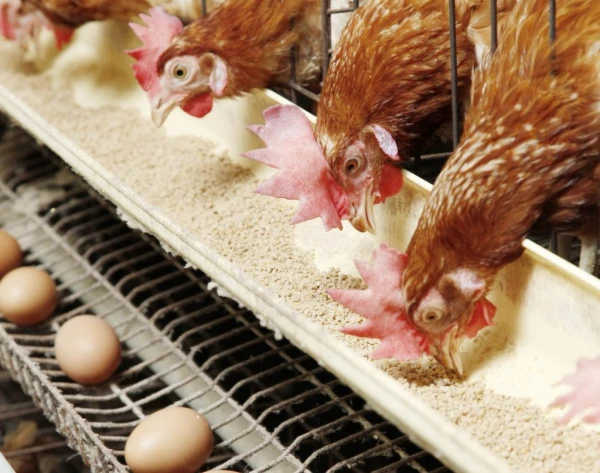
Since March 8, 2024, a "national import ban" has been in effect, halting the import of agricultural and feed products from Russia and Belarus into Latvia, as well as these commodity groups of Russian and Belarusian origin from other (third) countries. Today, Minister of Agriculture Armands Krauze (Union of Greens and Farmers) reports on the effect of this measure.
Brussels Decides
The ban applied to the following categories of products: grains, vegetables, fruits, and food industry waste, as well as ready-made animal feed. At the government's suggestion, this regulation was extended to include peas, chickpeas, and legume flour.
The national import ban was initially set to last until July 1, 2025. On April 3, 2025, the Saeima of Latvia decided to extend it until July 1, 2026.
Of course, there are exceptions to every rule:
"Considering international obligations and the fact that foreign trade is an exclusive competence of the EU, the national ban does not affect transit and supplies through Latvia to other EU states," the Ministry of Agriculture's annotation for the Cabinet of Ministers emphasizes.
But the European Union has also managed to tighten its stance: as of June 20, 2025, Regulation (EU) 2025/1227 of the European Parliament and Council came into force. This significantly increased import duties on all agricultural and food products from Russia and Belarus by 50% in addition to the applicable import customs tariff, and provided for a gradual increase in customs tariffs on certain mineral fertilizers over a three-year transitional period, while maintaining exceptions for fish and certain fish products. Sweden, supported by Germany, Finland, Poland, and the Baltic states, particularly insisted on measures against Russian potash.
A. Krauze reports on successes: "In Latvia, imports from Russia decreased by 30% in the 11 months of 2024, and by another 85% in the 11 months of 2025, while imports from Belarus fell by 12% in the 11 months of 2024 and by 55% in the 11 months of 2025."
Who Wants Their Cake?
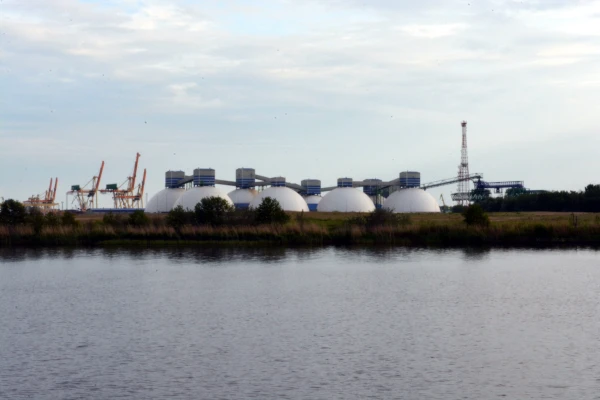
However, there are still some unprincipled countries that bring Russian raw materials through Latvia, making our state blush as an accomplice. For instance, from March to November last year, 4.03 million tons of various oilseed cakes were exported in transit, not only to France, Belgium, and the Netherlands, but even to Poland, which supposedly supports measures against Moscow!
In any case, for its own needs, Latvia imported food products from the Russian Federation worth 33.29 million euros in 2025; from Belarus – 39.47 million.
Overall, Mr. Krauze recommends continuing to steadfastly refrain from the aggressor's feed even after July 1 of this year. Especially since local, gray peas cannot be surpassed anyway!







Leave a comment